The Sonoran Desert, with its unique ecosystem and breathtaking landscapes, is a haven for diverse plant and animal life. However, this delicate balance is constantly under threat from invasive species that can wreak havoc on its native ecology. The key here is prevention. Prevention, early detection and eradication is the most economical and effective means to manage invasive plants. In fact, every $1 spent preventing the introduction of a new noxious weed has at least twenty times the impact of that same $1 spent fighting a weed that is already widespread, like buffelgrass!
By being vigilant and taking proactive measures, we can stop invasive plants like stinknet, yellow bluestem, and ripgut brome from establishing in the Tucson area and protect the biodiversity of our desert home. Below, we share practical tips that you can implement in your daily life and outdoor activities.

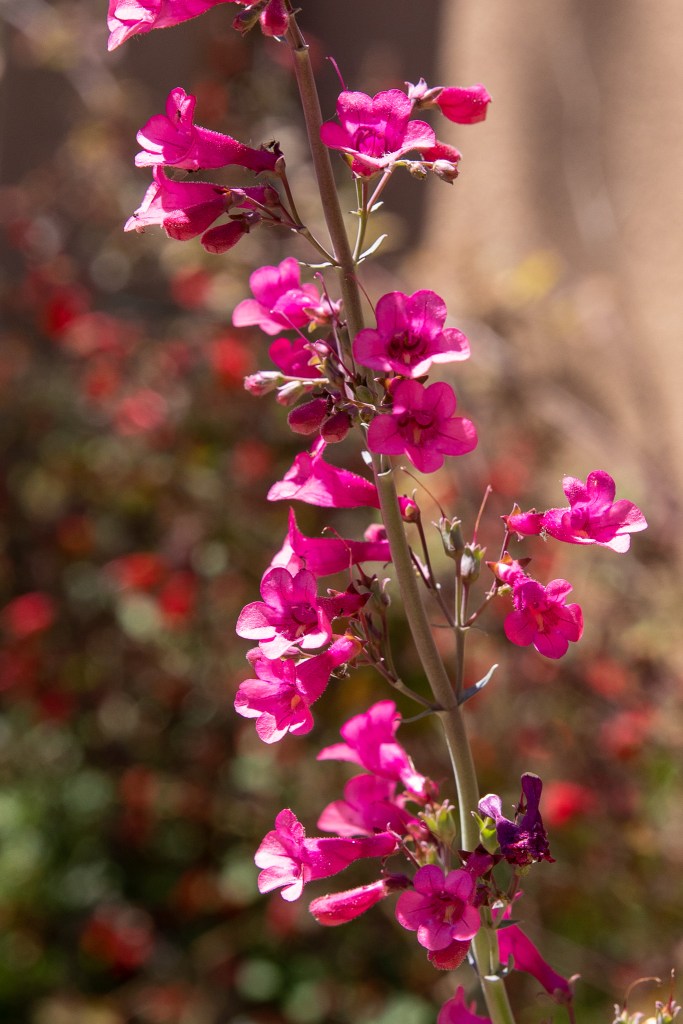
The best way to fight invasive plants is to prevent them from establishing. It is very important to ensure new invasive plants and reproductive material is not introduced to a new area. Stop the introduction and spread of invasive plants in our Sonoran Desert by following these guidelines:
- Watch out for invasive plant hitch-hikers. Check your clothes, boots, and other personal belongings for seeds or plant material. Use boot brushing stations when provided and consider carrying a boot brush in your car or pack. Rinse the soles if possible.
- Brush off or wash your pets after hiking with you. Sticky seeds can hitchhike on your pet’s fur or paws!
- Stay on designated trails and roads to reduce disturbance and to minimize contact with invasive plants.
- Wash your vehicle, especially if you have been driving on unpaved roads or off road. Plant materials can get stuck in your tires and undercarriage. This includes cars, bikes, and ATV’s.
- Clean your boating or fishing gear. Make sure to inspect all watercraft and equipment for plant material, clean them off, drain any bilge from boats, and dry the equipment thoroughly before moving to another body of water.
- Don’t pack a pest. If you’re traveling by land, air, or sea make sure you Don’t Pack a Pest that could be lingering on certain types of food, plants, or other agricultural items.
- Choose native plants. Replace any non-native plants in your garden or landscaping with native plants. Check in with your local plant nursery or the Native Plant Society to help choose native plants. While you’re at it select plants to help pollinators!
- Use weed-free soil, mulch, or feed. Invasive plants can be introduced by contaminated soil, mulch, and feed supply. Purchase from reputable manufacturers that guarantee the purity or weed-free content.
- Identify and remove invasive plants from your home or join volunteer removal efforts near you. Every little bit helps!
- Report invasive plants. Locating invasive plants just as they are beginning to invade an area and treating new infestations quickly is a management approach called Early Detection Rapid Response (EDRR). To report an invasive plant that you see on a hike or in your yard you can use EDDMapS.
- Check out all of the resources from PlayCleanGo and take additional actions based on your adventure!
Preserving the Sonoran Desert’s ecological balance requires a collective effort. Invasive species cost the U.S. $138 billon per year in environmental damages, control and losses. Simple actions such as checking for hitchhiking seeds, staying on designated trails, cleaning our belongings, and reporting invasive plants can make a significant difference.

Let us be stewards of the Sonoran Desert, embracing native plants and responsible practices, as we strive to maintain the resilience of this remarkable ecosystem for generations to come. With YOUR help, we can stop the spread of these noxious weeds which threaten our native ecology. #CommunityScience for the win!
 Desert Diaries