As our visitors quickly realize after spending a day at the Desert Museum, we are much more than a museum, or a zoo, or any one thing! Our diverse approach to education and conservation allows for a variety of ways for our community to engage in the work we do and deepen their understanding and appreciation of this magical Sonoran Desert, from fun events like the Biodiversity Party to community education and research partnerships like the Tucson Bee Collaborative and We Bee Scientists.
As we welcome 2025, we reflect on another extraordinary year of conservation, science, and education at the Arizona-Sonora Desert Museum. Thanks to the tireless dedication of our staff, volunteers, and the support of our community, we have achieved remarkable milestones across a wide array of programs. Whether it was releasing Mexican gartersnakes into the wild, or partnering with scientists on groundbreaking eDNA research, or receiving the high honor of the 2024 National Medal for Museum & Library Service—these accomplishments showcase our unwavering commitment to preserving the vibrant biodiversity of the Sonoran Desert and grounding our work within our Tucson community.
Celebrating Biodiversity
Biodiversity Party and BioBlitz
This year’s Biodiversity Party and BioBlitz brought the community together to celebrate the Sonoran Desert’s incredible diversity. We had a great weekend and welcomed community organizations, musicians, face painters, and more! Guests got special nature tours, learned all about the Sonoran Desert region, made seed balls, art, and native bee house, and kids got free books from the library. Since the Biodiversity Party’s origins in 2021, we’ve seen steady participation growth from about 1,000 to 1,700 this year!
Participants documented 377 observations of 179 species in a single day, contributing to a cumulative total of nearly 13,000 observations of 1,572 species since the event’s inception. With nature tours, art activities, and interactive science stations, the event inspired curiosity and conservation action across all ages.
BioBlitz? What’s that? Bioblitzing is a way for individuals to document and contribute to biodiversity surveys. By taking pictures and uploading them in iNaturalist, anyone can participate and we can analyze observations over time.

Music in the Desert: I L-O-V-E This D-E-S-E-R-T Album
Our musical educational programming in the Sonoran Desert has soared to new heights this year, with the release of our kids music album I L-O-V-E This D-E-S-E-R-T, bringing the beauty and importance of the desert ecosystem to life for kids—and adults, let’s be real!—through the power of music. These tunes are seriously catchy! Officially launched on February 14th, 2024, the program uses engaging lyrics and melodies to inspire empathy for animals, instill science concepts, and teach about the unique environment of the Sonoran Desert. With a combination of live performances, CD sales, and online streaming, we’ve reached nearly 13,000 engagements, making a meaningful difference in both education and community connection.
How to Listen:
- Stream it on Spotify, Amazon Music, or iTunes
- Buy the CD
- Check our schedule of live performances!

Native Pollinators
We Bee Scientists Curriculum
The launch of the “We Bee Scientists” curriculum marked a significant milestone in conservation education. Hundreds of Arizona teachers are now equipped with these comprehensive lesson plans, fostering scientific curiosity and ecological awareness among students. The program also supports Course-Based Undergraduate Research Experiences, helping students see themselves as future scientists.
“…I see the We Bee Scientist units have gone live on the Desert Museum website. I checked them out, and they are incredibly well done. You and the team did outstanding work to develop, pilot, and publish these resources. I was so impressed with the comprehensive resources and materials, including slides, handouts, and photographs. It is so evident that you possess that rare blend of content knowledge and an understanding of how students approach scientific phenomena. Thank you for building these resources and for sharing your expertise with colleagues!”
Kevin Stoltzfus, Ed.D.
Superintendent
Flowing Wells Unified School District


“I just wanted to share with you that this event, as in past years, was extremely meaningful for the PCC students. This is the event in which they are first introduced to the larger audience that cares about the science they are doing and wants to see the results. They get to be the teachers, and explain how DNA barcoding works, and then get to go past the “authorized personnel only” sign to see the larger bee collection and learn more about the research and they role they play. It’s a critical piece in the success of the Course Based Undergraduate Research Experience (CURE), and Professor Katcher tells me it’s a turning point for most of the students that participate, the moment when they first see themselves as scientist. Thank you for making this possible!”
Kim Franklin
Associate Director for Conservation
Arizona-Sonora Desert Museum
eDNA and the Bee Barcode Library
Would you believe researchers can now identify insect species without ever seeing them? Like a forensic fingerprint, scientists can sample environmental DNA (eDNA) from air, water, soil, the inside of a nest, or the surface of a flower and then match the sequences to species “barcodes.” eDNA metabarcoding is changing the game of ecological research—and the Desert Museum, through the Tucson Bee Collaborative, is playing a critical role. Check out our latest blog post to learn more about our part in creating a barcode library of Desert bees!
Tucson Bee Collaborative
The ASDM Bee Team has prepared 713 bee specimens for sequencing, resulting in 121 unique sequence records for distinct species. This year, 116 additional specimens will be sent for sequencing in early 2025 for publication on the Barcode of Life Datasystem (BOLD), including the rare Arizona bee, Centris transversa, previously found only in central and southern Mexico. This will be the first published sequence for this species in southern Arizona.


By the end of 2023, the team generated 163 new sequences and expects around 100 species to be added to their reference library once published. The team is working on refining their bee database, correcting errors, updating identifications, and filling gaps in specimen data. The fully functional database, complete with a public website, will be available by year’s end, housing nearly 8 years of data from over 20,000 specimens across the Tucson Basin and surrounding regions.
Food and Agriculture
Crop Wild Relatives and Climate-Smart Agriculture
The Desert Museum is making strides in conserving the wild desert almond (Prunus fasciculata var. fasciculata), a relative of cultivated almonds. During this year’s seed collection season, a wild population in southern Arizona produced a bumper crop, providing enough seeds to protect the species and fuel agricultural research. Some seeds were stored in seed banks and grown by the Botany team, while others will be shared with botanic gardens across the Southwest to safeguard the population. A portion of the seeds went to the USDA’s National Plant Germplasm System for research on using the wild species to breed heartier almonds that can better withstand pests and extreme climates.

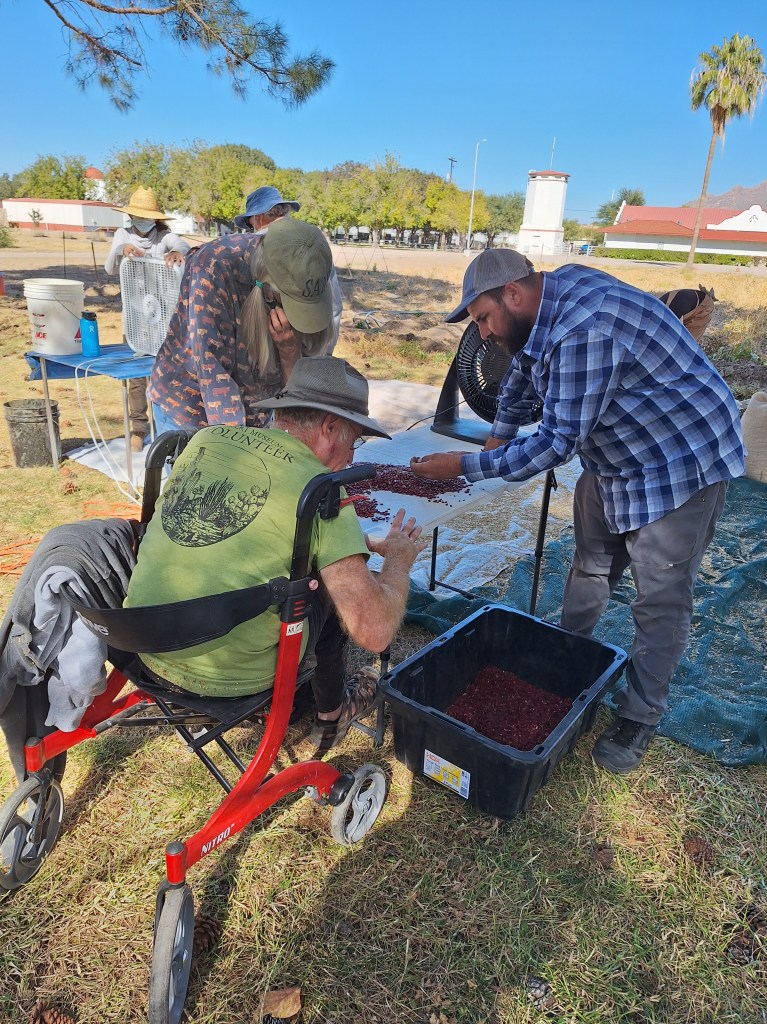

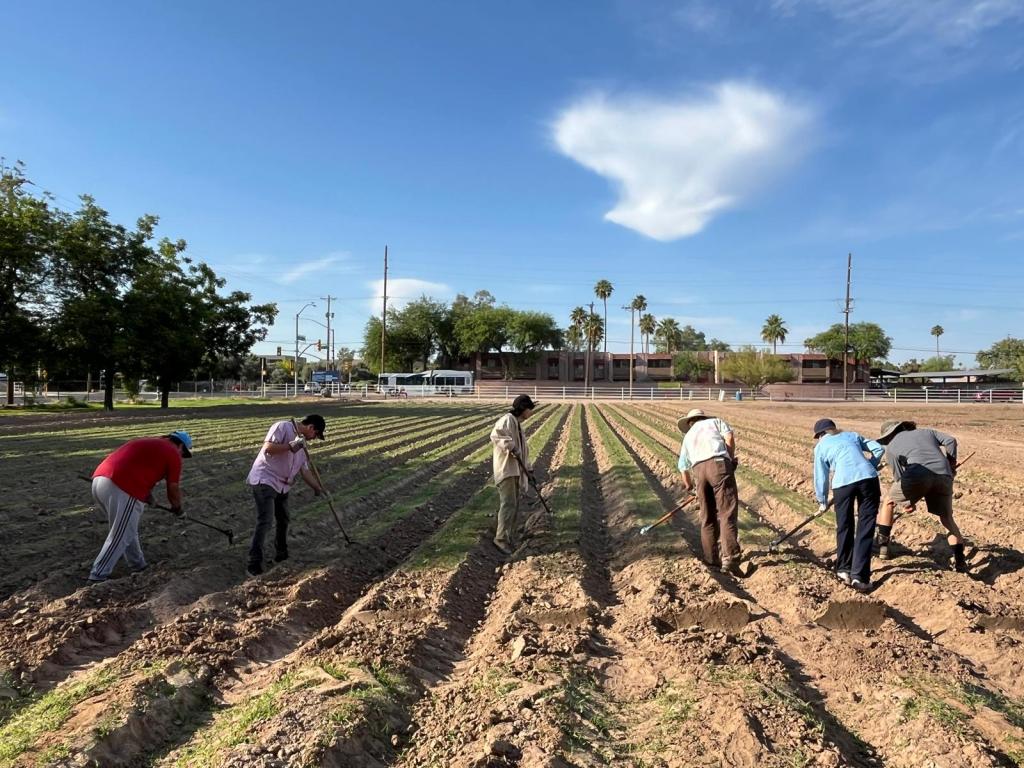
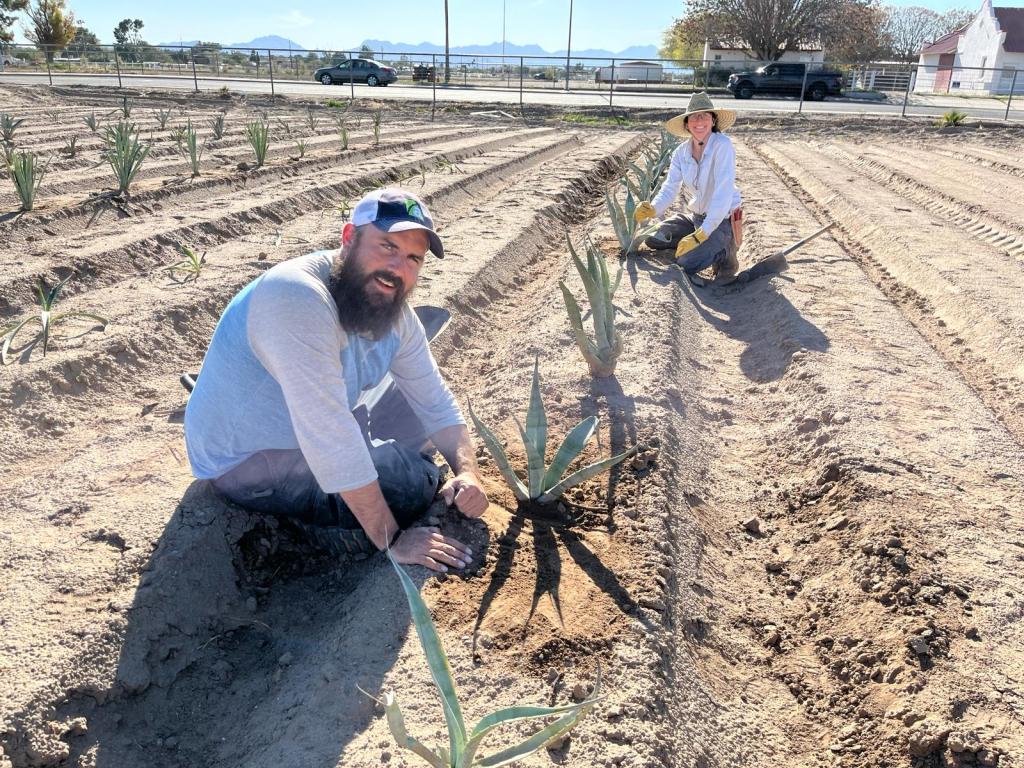

Additionally, we are part of the Arizona Alliance for Climate-Smart Crops, a $4.8M project led by the University of Arizona and funded by the USDA to develop a resilient, water-efficient food future for Arizona. We are testing desert-adapted crops like agave and prickly pear at the University’s Agricultural Center, while also growing hardy beans and cowpeas. With a whole lot of sweat and elbow grease from volunteers, we harvested over 300 pounds of Anasazi red beans and Bisbee black cowpeas, two crops that offer Arizona farmers drought- and heat-tolerant options to keep growing food with less water! In July, we partnered with Mission Garden for a tasting event on prickly pear. Future programs aim to raise awareness and build a market for climate-smart desert foods.
Fighting Invasive Species
Save Our Saguaros Month 2024
Save Our Saguaros Month 2024 saw record-breaking engagement on our social media, which means more people learning about and engaging with the issue of invasive species in the desert. Our social media impressions soared from 166,014 in 2023 to 436,501 in 2024 This success was driven by increased content, creative storytelling, and targeted promotional efforts. Notable highlights include the wildly popular “Buffel Blaster 3000” reel, which garnered over 44,000 plays on Instagram, and the vibrant community mural project, led by artist Wesley Fawcett Creigh, that captivated audiences and brought kids and families out for a day of painting! Your support enabled us to expand our reach and amplify awareness about the threats facing saguaros and their habitats.
Stinknet Efforts
The battle against stinknet intensified this year following heavy winter rains that fueled a bumper crop of this invasive species, overwhelming the invasive species response capacity. In response, our Conservation and Science team reallocated resources to support our partner organizations. Museum staff led 13 volunteer removal events, developed outreach materials, and took part in a multi-agency stinknet working group to refine our strategies and coordination for 2025. Reports of stinknet infestations surged from 242 in 2023 to 1,703 in 2024, likely reflecting greater public awareness and engagement in reporting and mapping activities. Together with our partners, we are committed to safeguarding the Sonoran Desert from this encroaching threat.

Riparian Conservation Programs
Project Obscurus: Protecting the Ridge-Nosed Rattlesnake
In partnership with The Rattlesnake Conservancy and two other zoos, we’re playing a critical role in “Project Obscurus,” a groundbreaking recovery initiative for the endangered New Mexico ridge-nosed rattlesnake (Crotalus willardi obscurus). This year, we celebrated the birth of 20 baby snakes at participating facilities, including the Desert Museum. These young snakes represent hope for wild population recovery through selective breeding and eventual release into their native habitats. Tom Weaver and Stephen Cumberworth, Curator and Terrestrial Keeper II of the Herpetology, Ichthyology, and Invertebrate Zoology Department, respectively, were featured in the Rattlesnake Conservancy’s short documentary film about the project. Watch it here!
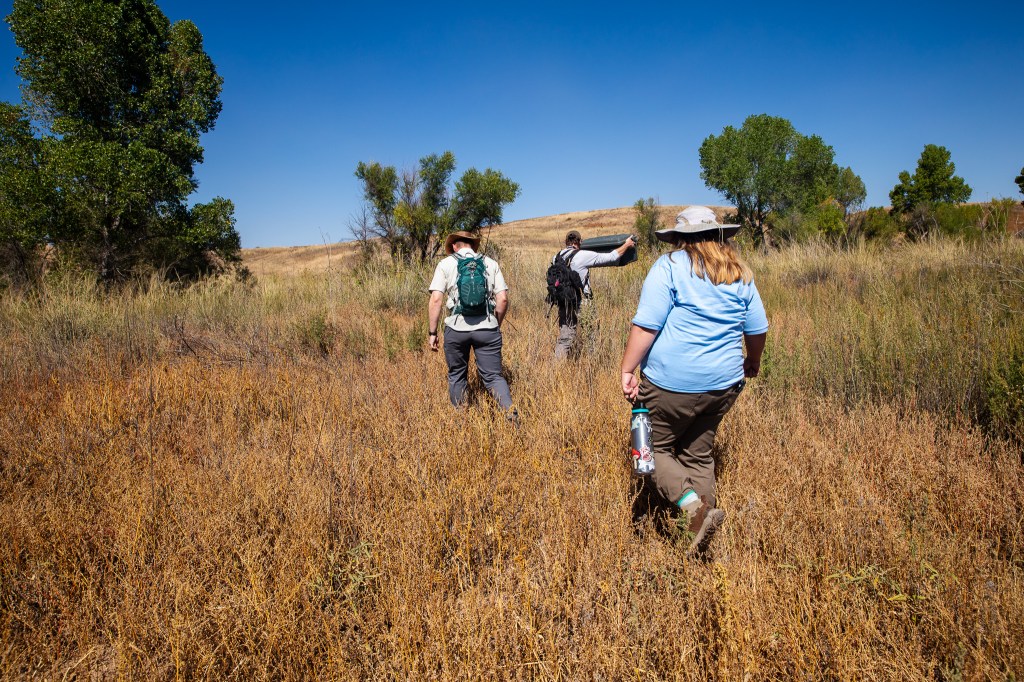
Mexican Garter Snake Release
This fall, we collaborated with Arizona Game & Fish to release 50 young Mexican garter snakes (Thamnophis eques megalops) into the wild, contributing to the ongoing wild recovery of this threatened species. Native to riparian and aquatic habitats in southeastern Arizona, the Mexican garter snake faces threats from habitat loss and the decline of its prey, like the Chiricahua leopard frog and Gila topminnow. Born at the Desert Museum as part of our captive breeding collaboration with AZGFD, these snakes were released into a rich riparian habitat where they’ll thrive on abundant native prey. Since 2007, the Desert Museum has collaborated with Arizona Game and Fish in an attempt to repopulate areas where natural populations of this snake species are dwindling, and are encouraged by the results of our reintroduction and collaborative conservation efforts!


Last But Not Least
New to the Mineral World…DOMITROVICITE!
We are proud to announce the naming of a newly discovered mineral in honor of Anna Domitrovic, recognizing her significant contributions to mineralogy and the Desert Museum’s legacy of scientific excellence.
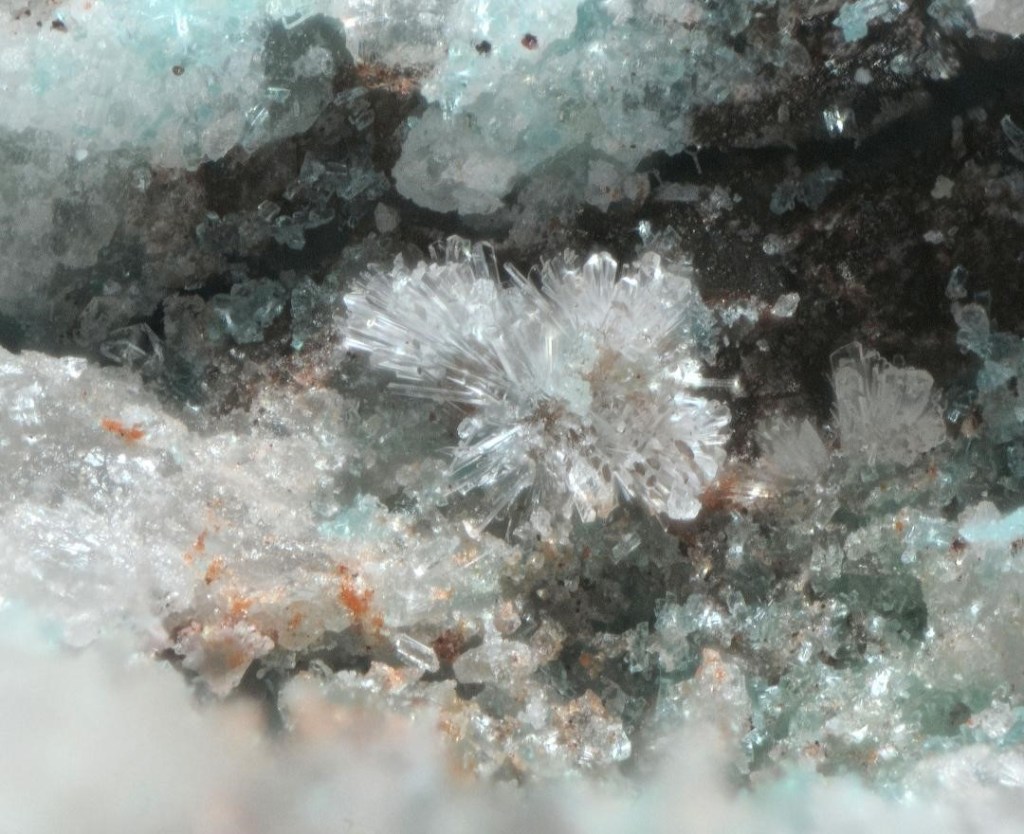
A mineral is defined as a “naturally occurring inorganic substance…” but in 2018, a new mineral was discovered in Tucson’s Santa Catalina Mts. and this one proved to be organic, called a glycolate. Glycolates contain the compound C2H3O3. The presence of C, carbon, identifies it as organic. After studying the deposit, University of Arizona researchers determined that the new mineral was likely the result of glycolic acid from decaying prickly pear in mineralized fluids that seeped through the rocks. Other elements in the fluids attach themselves to the compound resulting in a variety of glycolates. Five glycolate minerals were discovered in 2018, and a sixth was just discovered in 2023.
This new mineral is named in honor of our own, Anna Domitrovic, Curator Emerita, for bringing the unusual mineral to the attention of researchers at UA. It is a perfect symbol of the Sonoran Desert ecosystem – microbes, plants and rocks mixing together to form something beautiful and new.
IMLS National Medal
We were deeply honored to receive the 2024 National Medal for Museum & Library Service, a prestigious recognition of our dynamic programming and community impact. As a multi-faceted organization, we provide an array of experiences for visitors and community members. From our Labyrinth Garden, developed in collaboration with Tohono O’odham Nation elders, to our Packrat Playhouse, an innovative indoor kids play area that encourages children to imagine exploring the desert as a packrat, Museum exhibits offer varying entry points to engaging with the desert ecosystem. Additionally, our outreach efforts, youth camps, community science programs, and conservation art classes and programming, create a variety of ways for our community to create meaningful connections with the desert ecosystem, both on and off grounds!

 Desert Diaries