Chances are if you are a Tucson local, you understand the threat of buffelgrass (Pennisetum ciliare) to our biologically-diverse Sonoran desert, iconic saguaros, and wildlife habitats.
This pesty, invasive plant was first brought from Africa and introduced to the Tucson area in the 1930s. Initially used for cattle feed and later erosion, it has spread rapidly in southern Arizona transforming our desert into a flammable grassland.
Not only does buffelgrass increase the frequency and severity of wildfires, but it also leads to loss of species and entire ecosystems.
Buffelgrass outcompetes native landscapes for space, water and nutrients and as native plants are reduced, there are less resources for our favorite critters such as the desert tortoise, jackrabbits and mule deer.
Saguaros are more than just a symbol of the Sonoran Desert—they’re a vital keystone species, providing food and shelter for many animals. Unfortunately, saguaros are particularly susceptible to the spread of buffelgrass, which introduces fire into an ecosystem where these cacti lack natural defenses.
Even in the absence of fire, this pesty plant is slowly transforming the “lushest desert on earth” to a barren grassland.
But, what if we told you that sheep could be part of the solution to the buffelgrass invasion?
As a pilot grazing initiative to reduce this noxious weed, the Desert Museum has deployed 15 Navajo-Churro sheep on A Mountain. The project is part of an integrated treatment plan funded by the Arizona Department of Fire and Forestry Management, with support from the Arizona-Sonora Desert Museum, City of Tucson Parks and Recreation, and the University of Arizona Cooperative Extension.
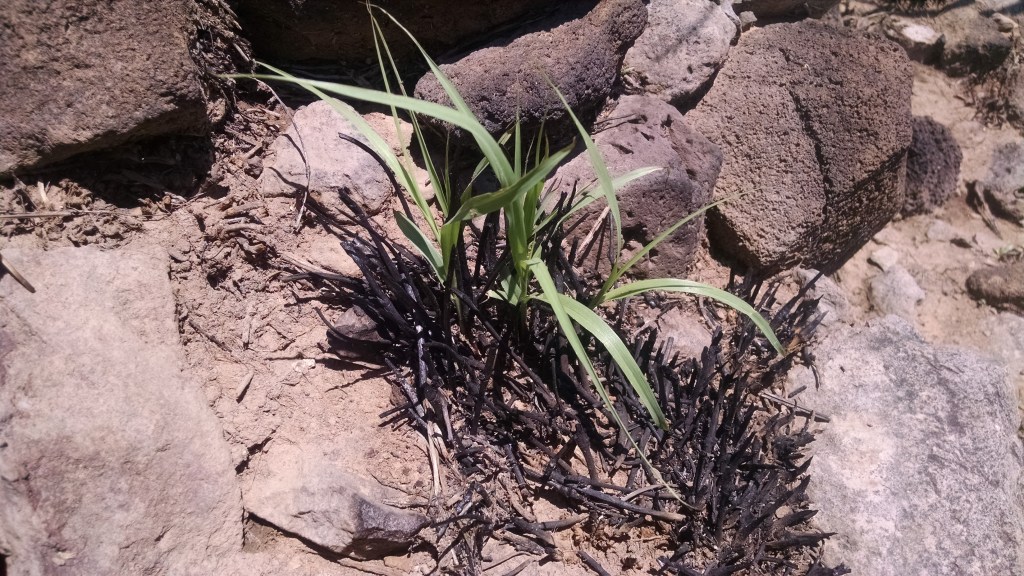
Using a two-phase approach, the sheep first graze areas already at least 60% covered in buffelgrass, removing only the plant’s above-ground mass. Later in the year, these areas will be treated with herbicide to target and kill the roots.
With the bulk of the grass eaten by the sheep, the herbicide should be more effective and less of it will be needed for treatment of the area.

“While the first phase—the grazing is not killing the buffelgrass, it is substantially decreasing the fire fuel load. For right now one thing that we have accomplished is that the areas where the sheep have grazed are no longer at risk of fire,” says Sonya Norman, Public Programs Coordinator at the Arizona-Sonora Desert Museum.
Overall, this is a strategic mitigation effort: while past approaches relied on hand-pulling and herbicide alone, combining targeted sheep grazing with follow-up chemical treatment offers a more effective, sustainable way to reduce buffelgrass and protect the Sonoran Desert’s delicate ecosystem.
Have additional questions? Visit our Grazing Project FAQ Page.
Interested in helping with this project? Visit our website.
By Gracie Heim, Content Marketing Lead
 Desert Diaries