When visiting the Desert Museum, one of the most spectacular elements of our grounds is the incredible variety of Sonoran Desert flora. From brightly blooming passion flowers and resilient guayacán trees to iconic favorites like blue palo verde and saguaros, each plant requires expert care to not only thrive in their beauty but help sustain the greater desert ecosystem.


The Botany Department is at the core of this care. When visiting the Museum, you may see our horticulturists and nursery assistants watering and pruning plants, designing and installing irrigation systems, and interpreting botanical subjects to the public; however, this mighty crew does far more than what meets the eye.
Behind the scenes, they play a vital role in maintaining detailed accession records of the Museum’s living botanical collection, and within this realm, exciting educational and fieldwork opportunities often arise to expand their knowledge and document unique specimens in the wild.

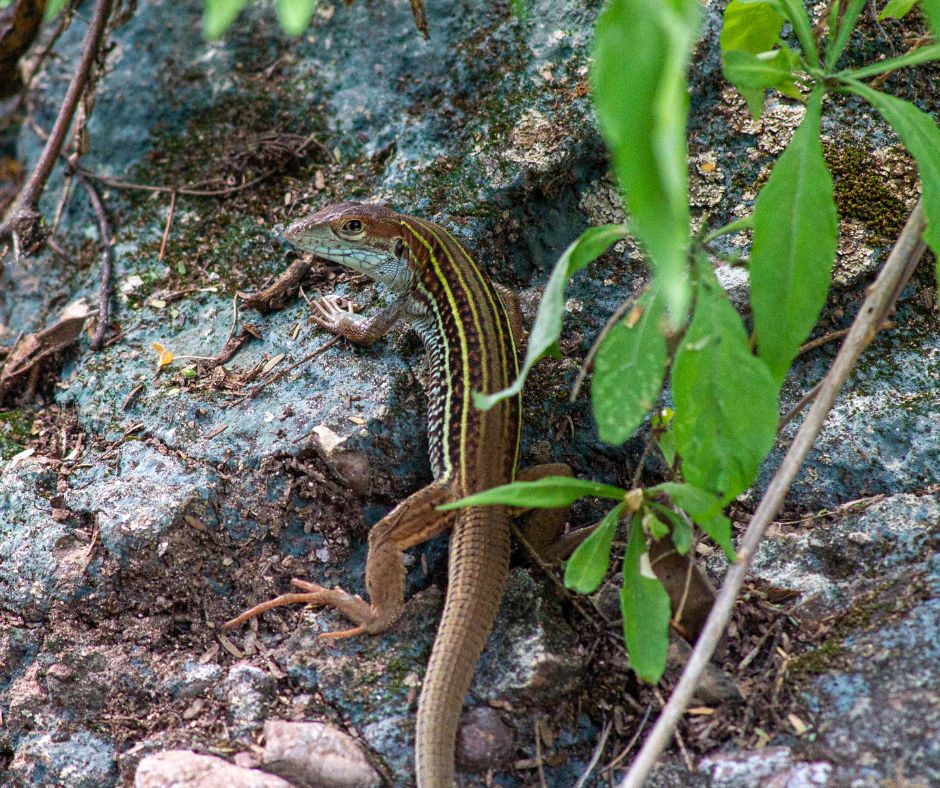

In early August 2025, two of our botany department staff members visited La Tierra del Jaguar, an environmental education facility and demonstration site in the municipality of Sahuaripa in Sonora, Mexico, to attend a conference and bioblitz with an emphasis on documenting fungi diversity and the ecology of the land.
Led by La Tierra del Jaguar, Sociedad de Micologia Sonorense, and Caminantes del Desierto, the gathering brought together community partners for a few vibrant days of activities! Participants enjoyed engaging presentations, guided field walks to collect mushrooms, and workshops on dehydration and identification techniques. The conference also included a visit to a nearby canyon, home to a representative type of tropical forest, plus a special stop at local hot springs.


These field trips are more than exciting excursions for our Botany staff, they’re essential research opportunities to further expand our understanding of the Sonoran Desert, particularly in areas like Sahuaripa where the resources are limited for that exploration.
By cataloguing plants and animals in this specific region, our team is contributing to a living record of this unique ecosystem that simply cannot be studied on Museum grounds alone. Using tools like iNaturalist, they help paint a broader picture of local biodiversity while also providing community groups and residents with data that can be referenced to secure grants, support future research, and strengthen conservation efforts in the region.
By Gracie Heim, Content Marketing Lead
 Desert Diaries