By Kyleigh Sacco, Education Specialist
Conservation actions can seem straightforward – use less plastic, recycle, buy native plants – but for our youngest ones with limited resources and buying power it can be hard to know where to start. However, conservation is an act of empowerment – the more that we can teach young people how they can make a difference in the world around them, the more capable they will feel of doing exactly that. Here’s a road map with four easy steps to help you teach our littlest learners that they can make a big difference through conservation.
Step 1 – Spark Curiosity about Nature
Children are a part of the natural world and the key to protecting our environment is going outside and seeing that firsthand.
- Get outside: Eat dinner outside once a week, make playtime outdoors, or spend a little extra time meandering out the front door. The more a child feels comfortable and safe being outside, the more confident they will be to explore.
- Create a shared goal: Think about being outdoors like a scavenger hunt – go outside with a goal of looking for something specific and let that be your guide. This is a great way to start the process of slowing down so that children can build empathy for the natural world.
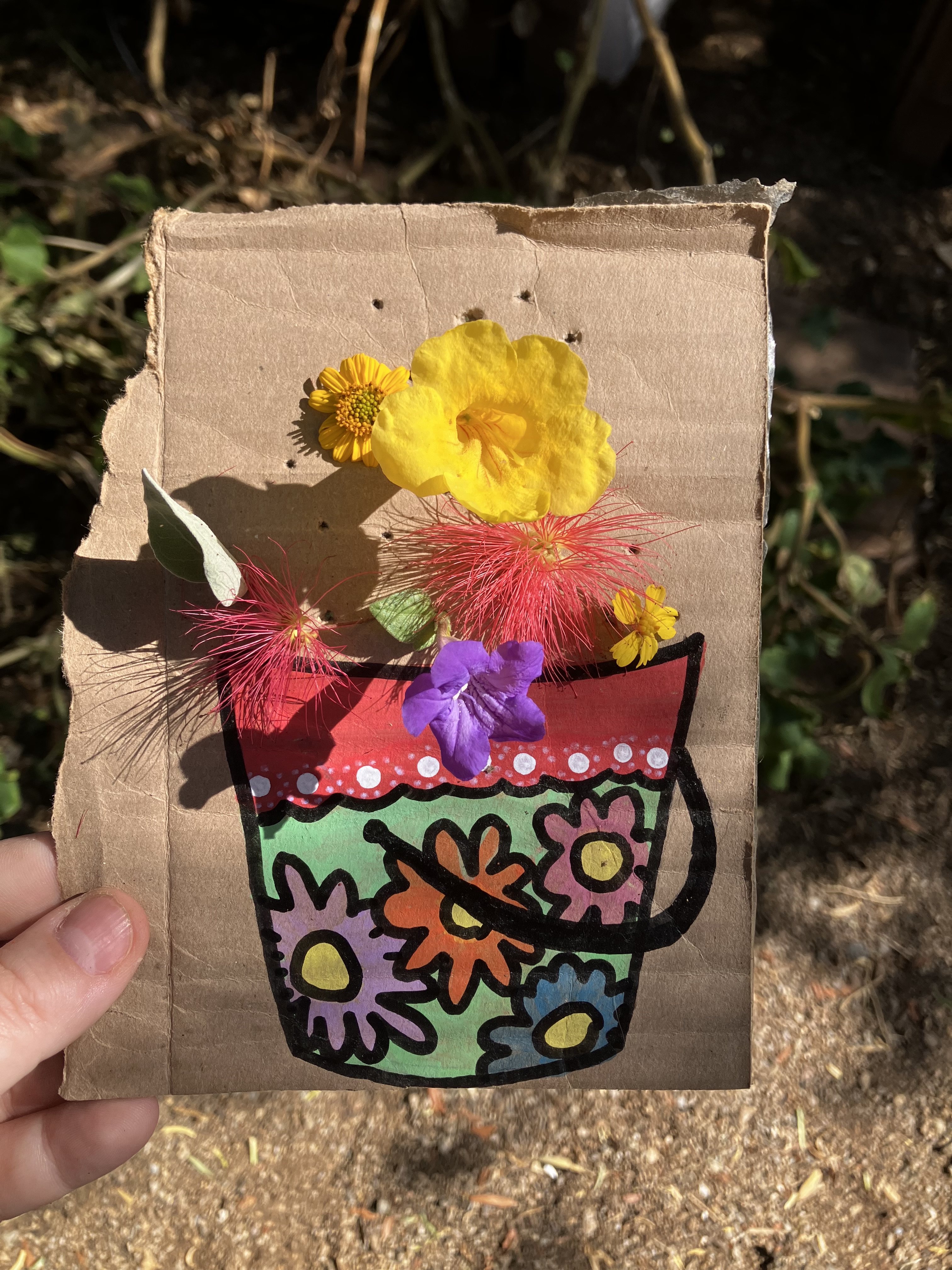
- Try this! – Make a recycled wildflower bouquet
- Take a scrap piece of cardboard, draw a vase, and poke holes to stick flowers through. Make sure you’re teaching kids to be responsible when harvesting; never take the first or only flower you see and be mindful of leaving plenty behind for wildlife and other people to enjoy.
- Try this! – Make a recycled wildflower bouquet
- Take time to watch: We can learn so much from the world around us just by being still. Together, find a spot with the kiddo in your life, take a seat, observe nature around you, and have a conversation about what you notice or wonder.
Step 2 – Help Nature at Home
- Gamify conservation actions: Fun challenges make conservation actions more approachable! And who doesn’t love a game?
- Try this! – Energy conservation day challenge
- Pick a day to use as little energy as possible. Avoid turning on lights, driving in the car, watching television, using energy-hungry devices and more! This may reveal ways that you can conserve energy day-to-day that becomes routine.
- Try this! –Look for leaks
- Search the house and yard looking for any drips and let your young detective take the lead. Talk about being water-wise and have them brainstorm ideas for how to stop the drips.
- For a free water conservation kit for Tucson Water customers, check out here.
- Try this! – Energy conservation day challenge
- Help around the house: Helping in the yard or home gives kids real-world conservation experience and empowers them to continue doing this kind of action throughout their life. It’s also a great chance to bond!
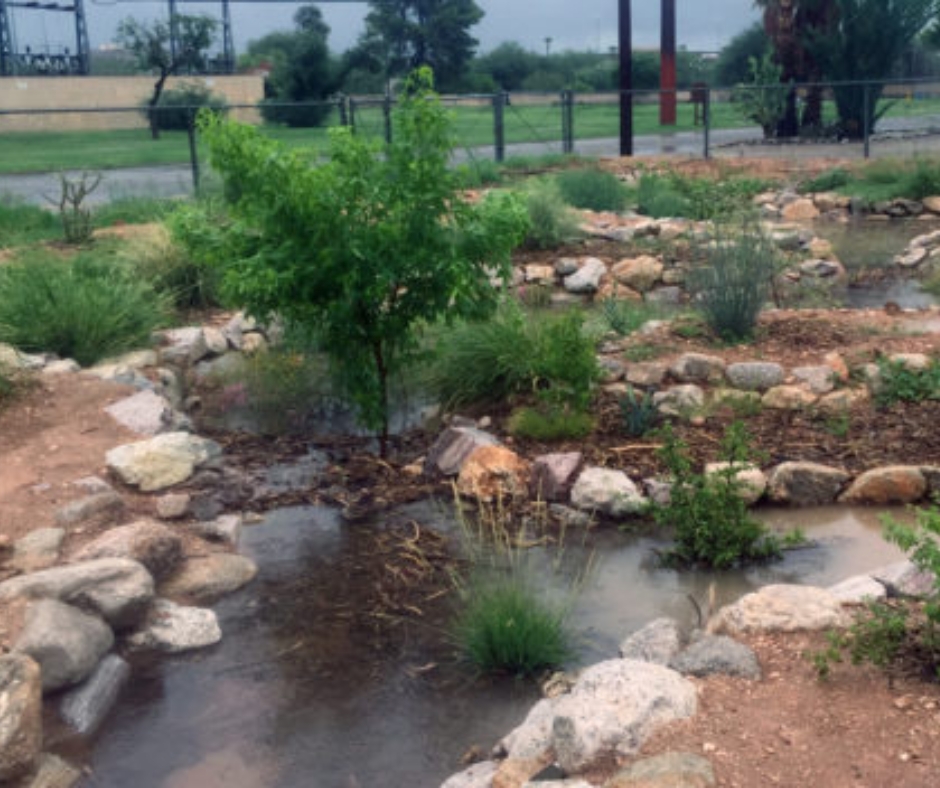
- Try this! – Water watcher to water catcher
- Observe where the water flows during the next rainstorm and work together to come up with paths that would help it to flow towards vegetation. Together, dig channels for water to flow when it rains. For guidance check out here.
- Try this! – Light bulb replacement party
- If your home has high energy consuming incandescent light bulbs, have the child help you to replace them with LEDs and test them out with a dance party. You might even be able to get the bulbs for free from your local energy provider!
- Try this! – Water watcher to water catcher
- Create a wildlife haven: Small changes can provide big benefits for local plants and animals right outside your front or back door.
- Grow native plants- Look up local plants together and find one that is a good fit for your outdoor space.
- Try this! – Seed or plant share with your community. Public libraries often have seed libraries, or one of your neighbors may be willing to share.
- Provide a place to rest- Both plants and animals need protection. In the Sonoran Desert saguaros rely on nurse plants to help them grow, so having lots of coverage in your yard is a great thing.
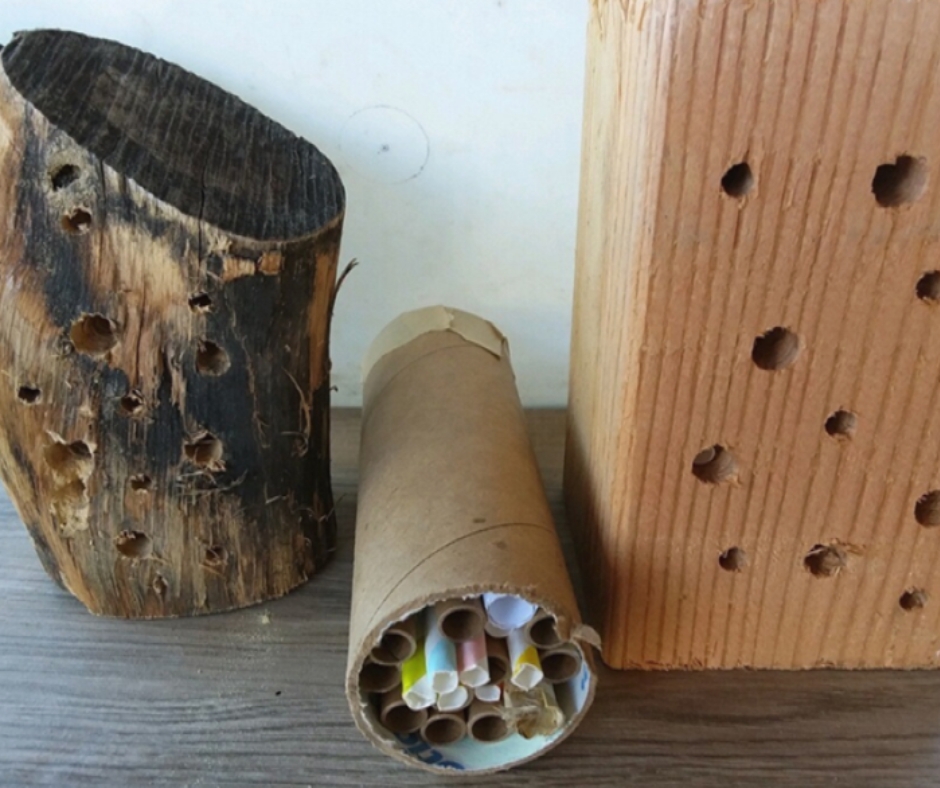
- Try this! – Create bat, butterfly, and bee houses out of recycled materials and hang them for our flying pollinator friends to use.
- Feed the birds- There are many kinds of bird feeders, so do some research together to decide what you want to attract.
- Try this! – Use a recycled soy sauce container to create a hummingbird feeder. Watch a how-to video.
- Supply water- Leave out a shallow dish with water in it for local wildlife; include some rocks or pebbles to give native bees a place to land and rest.
- Grow native plants- Look up local plants together and find one that is a good fit for your outdoor space.
Step 3 – Helping Nature in the Community
Conservation is a community effort – teach children to look beyond their own sphere.
- Conservation walks: Take a walk around the neighborhood with a conservation goal in mind.
- Try this! – Litter walk
- Pick up every piece of trash that you see on your walk.
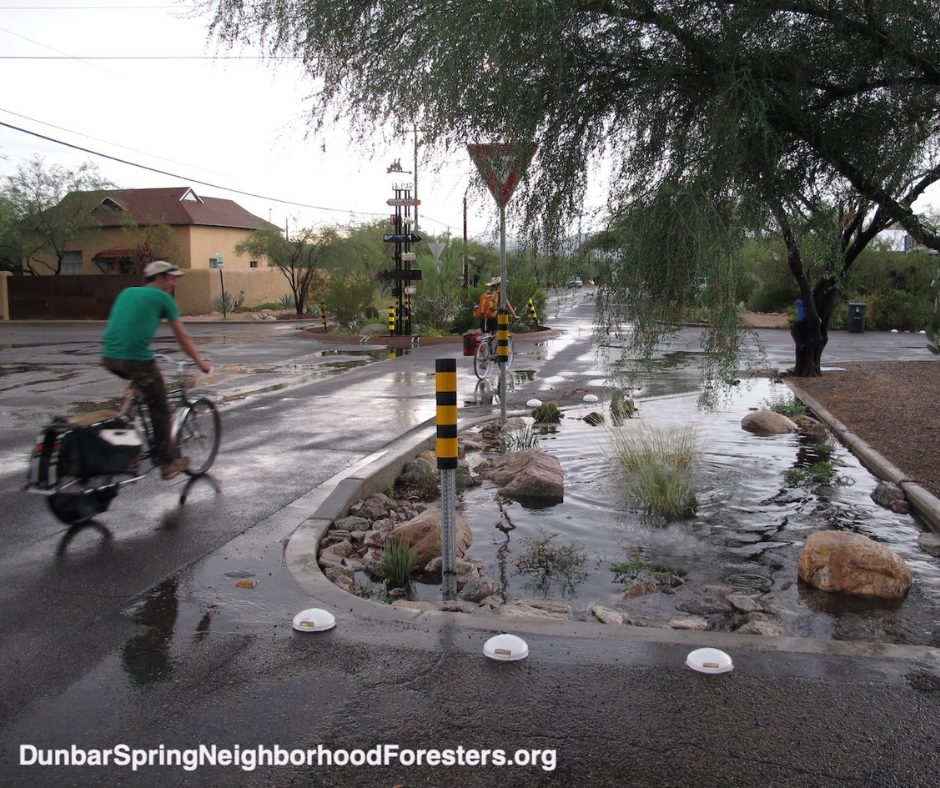
- Try this! – Monsoon walk
- Just after a rainstorm, take a walk following where the water flows. Have conversations about where the water is going and how we could redirect it to help wildlife.
- Try this! – Litter walk
- Waste disposal: The way that we dispose of our waste impacts much more than ourselves, so consider incorporating the following into your routine.
- Try this! – Compost
- Help break down food waste with compost. This can be as small as a bucket on the counter or as large as a backyard compost pile. Some communities even have a communal compost that you can contribute to.
- Try this! – Orange bag recycling
- This is a program through Hefty that collects hard-to-recycle plastics to keep them out of landfills. Learn more here.
- Try this! – Compost
- Connect with existing conservationists: There are likely people and organizations within your community that are doing so much important conservation work. Find and connect with these programs so that you and the child in your life can participate in wider scale conservation efforts.
- Try this! – Look for family-friendly clubs, festivals, and community clean-ups that have activities for kids built in.

Step 4 – Sharing with Others
Whether you and the kiddo in your life are just introducing the idea of conservation or are seasoned pros, invite those around you to join. Have a plan, lead by example, and make it fun because the most powerful conservation actions are ones that we take together!
 Desert Diaries