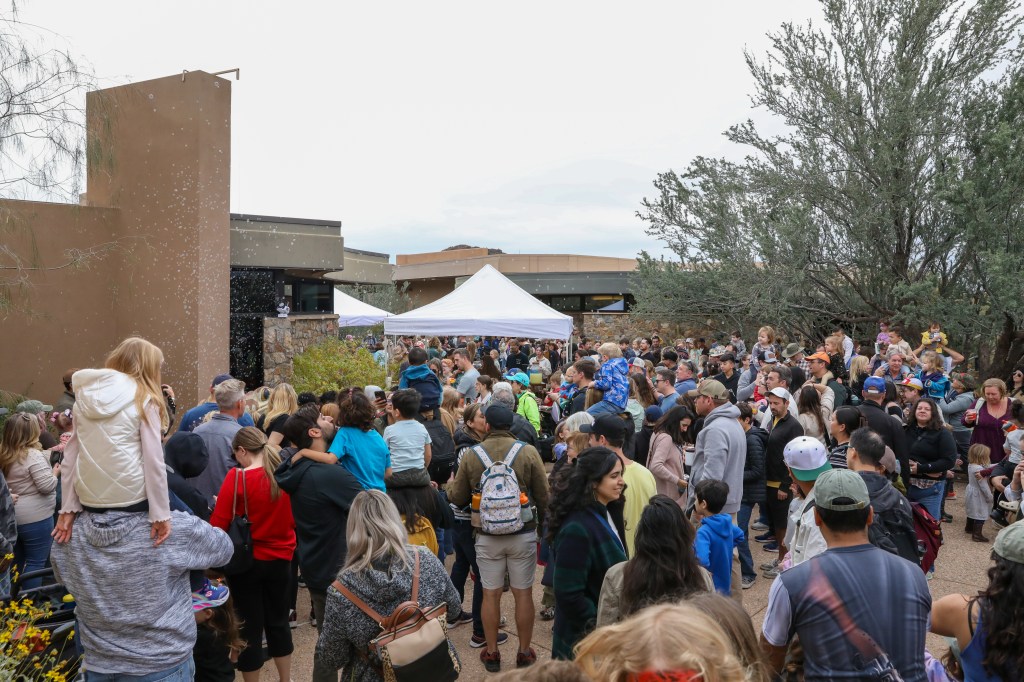
As we wrap up another year and look forward to 2026, we are happy to reflect on some of the Desert Museum’s major milestones and exciting projects. This past year has been filled with collaborative conservation initiatives, community partnerships, and innovative research projects, in addition to breaking ground on our new Spadefoot Splash exhibit and the inaugural year of our Indigenous Arts Fair.
But, before we run through some of our top moments of 2025, we must thank YOU for your role in supporting the Arizona-Sonora Desert Museum’s mission to inspire people to live in harmony with the natural world by fostering love, appreciation, and understanding of our beautiful Sonoran Desert. Whether you are a staff member, volunteer, docent, donor, member, visitor, or fan through social media, we greatly appreciate your support. Partners come in many forms and they all help keep the Desert Museum and our animal friends thriving while positively impacting our community.
New Animals & Fundraising for Mexican Gray Wolf Exhibit
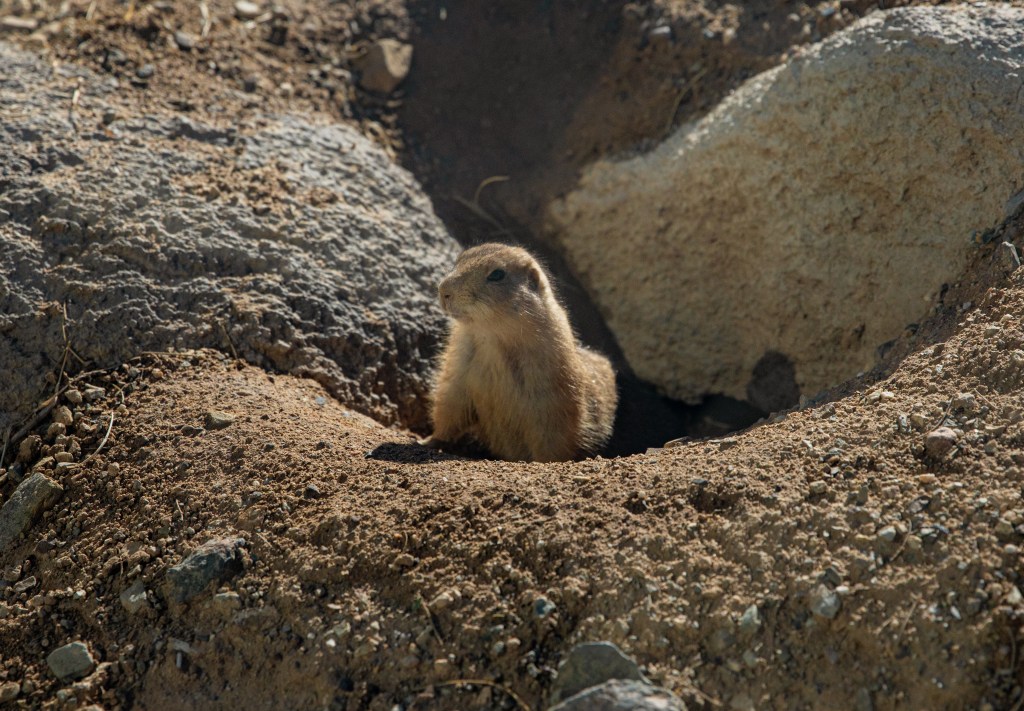
We welcomed 11 new animal residents to our slice of the Sonoran Desert, including: 2 coyotes, 2 beavers, 5 prairie dogs, 1 big horned sheep and 1 porcupine.
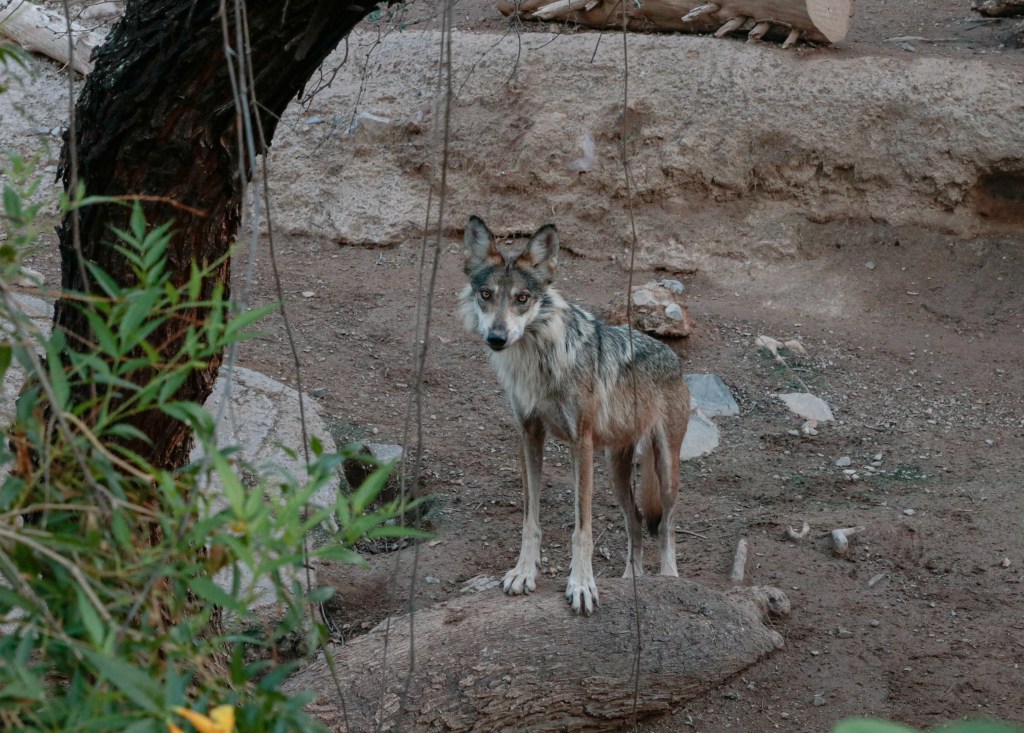
In addition to our new furry friends, we made public and launched funding for a brand-new, state-of-the-art Mexican gray wolf exhibit that will be nearly ten times larger than the current habitat. Thoughtfully designed with the well-being of our wolves in mind, this immersive space will give them more room to roam, explore, and thrive—just as they would in the wild.
Thanks to our generous community, the Museum was able to reach $3.8M towards meeting the $5M goal needed for this special new exhibit in 2025. Help us reach our goal and donate to our wolves today!
Spadefoot Splash Exhibit
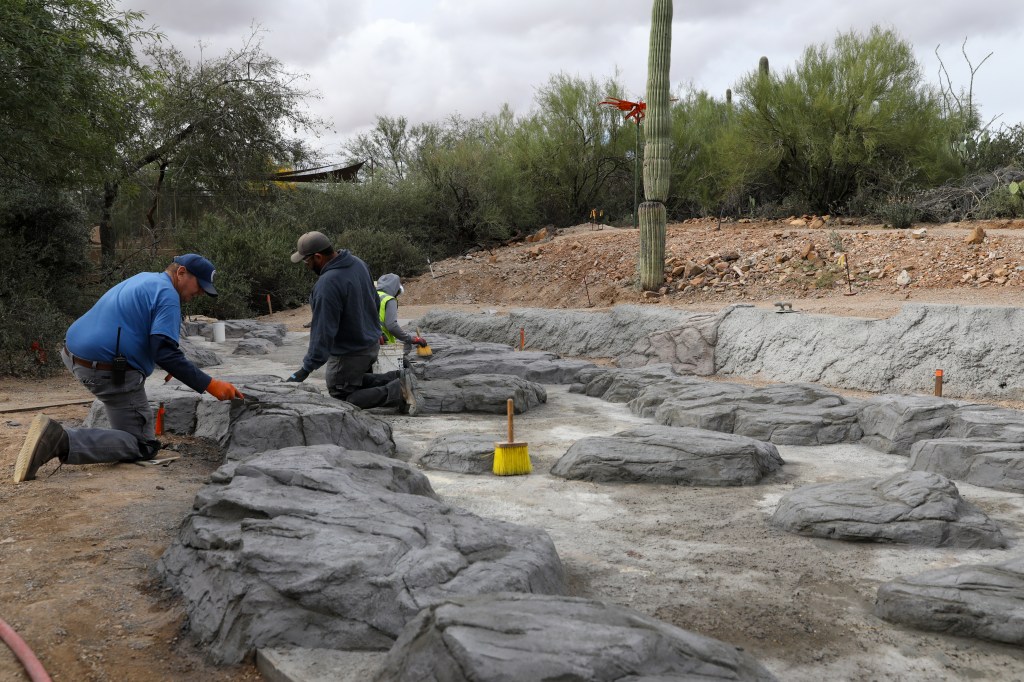
Many visitors and staff fondly remember the old ice cream shop that once stood beside our Riparian Corridor exhibit. This year, our exhibits team broke ground to transform that space into our newest exhibit—Spadefoot Splash!
Spadefoot Splash will be a streamside play exhibit for our littlest learners, with an emphasis on learning through play, for kids ages zero to five. This exhibit will highlight that water is life. Spadefoot Splash also places a focus on our conservation work with endangered species, helps to support families coming to the museum, and weaves art and play throughout.
It will include a streamside play area, a nature loop trail with interactive areas for toddlers, and a conservation station that highlights our Herpetology department’s conservation efforts. Stay tuned for the opening of this exciting exhibit in early 2026!
Dinos in the Desert
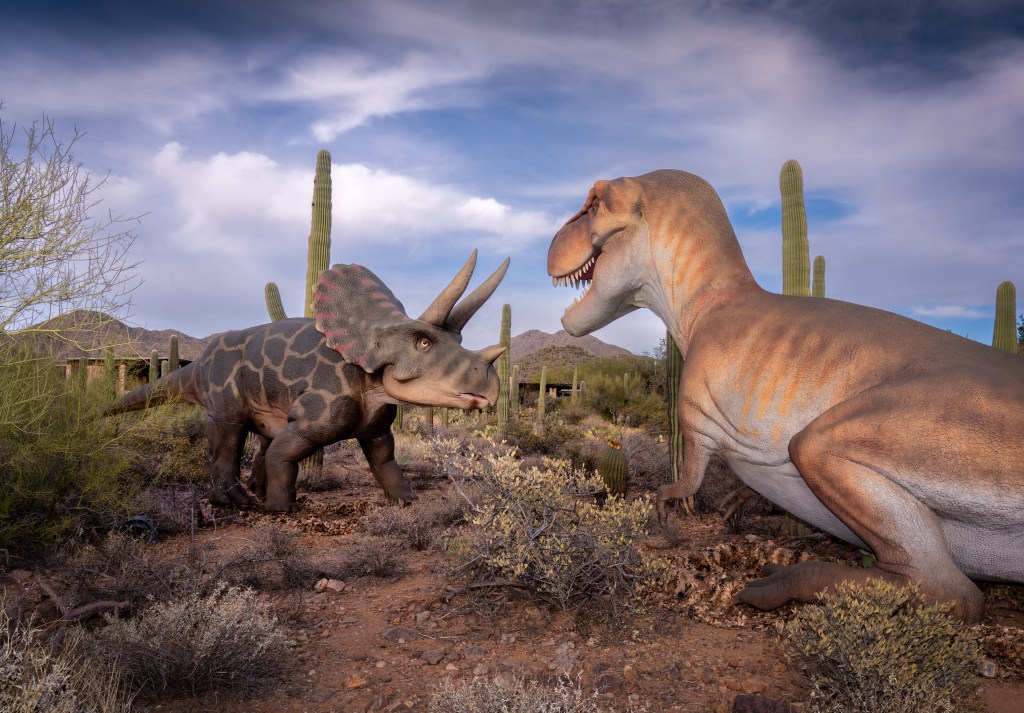
We took a journey back in time with our Dinos in the Desert exhibit which featured life-size, animatronic dinosaurs set against the beautiful desert setting our grounds offer! From a mighty Tyrannosaurus rex to the swift Utahraptor, these colossal creatures moved and roared captivating over 17,000 additional visitors to the museum of all ages, between the months of December and April.
Revamp and Re-Start of Docent Training
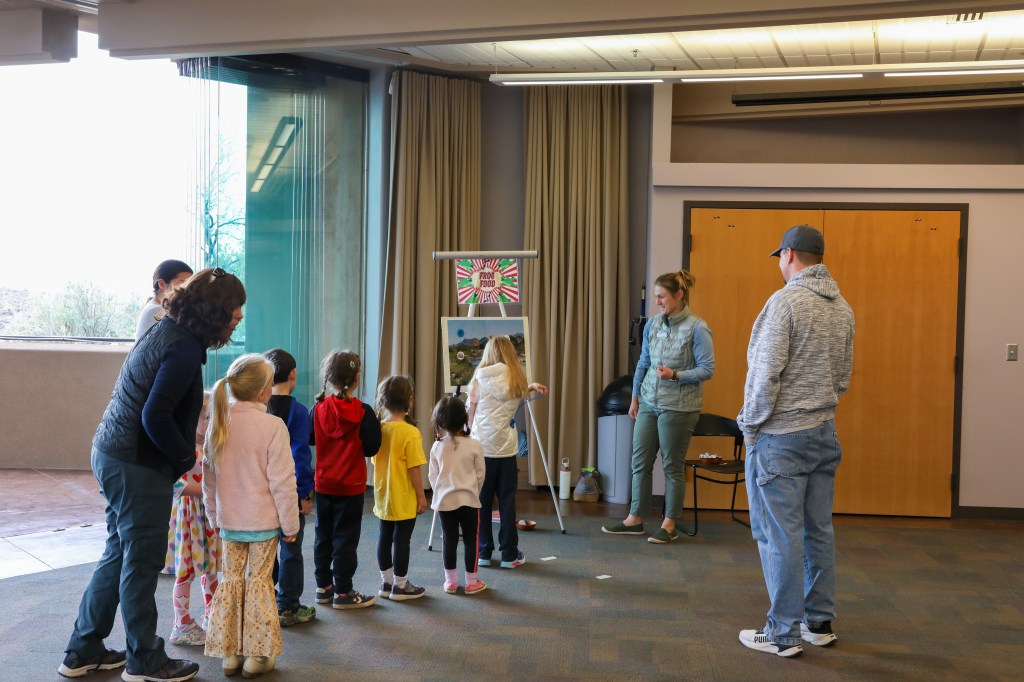
The Desert Museum would not be the educational institution it is without our incredibly knowledgeable docents, who engage and educate our museum guests by interpreting all the amazing plants and animals seen on our grounds.
In 2025 we welcomed 30 new docents from two class cohorts. We also had approximately 170 docents donate 32, 513.78 hours of time to the Desert Museum!
Indigenous Arts Fair
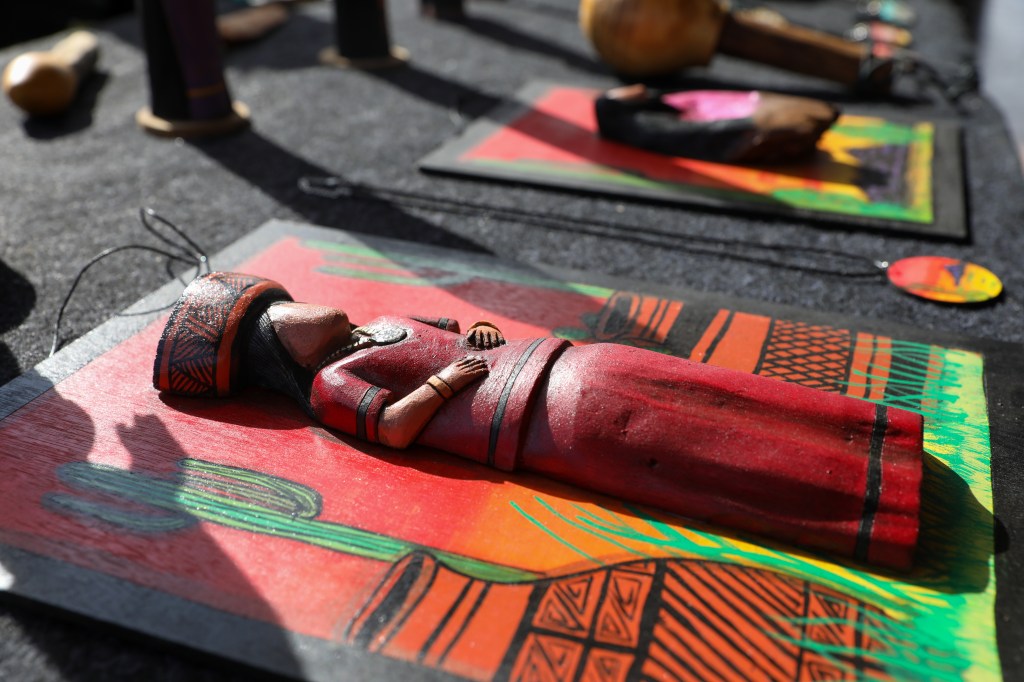
As part of our Interpretive Planning process the Museum held listening sessions with representatives of surrounding Native American communities. During these listening sessions, participants expressed a desire for more representation, particularly through opportunities to share their culture and art.
With the support of Freeport McMoRan’s Native American Partnership Fund we were able to host Indigenous arts demonstrations and sales in both the Spring and Fall of 2025, welcoming over 30 Indigenous artists to participate in the inaugural year to share their cultures and their creations with Museum visitors.
We are looking forward to scheduling our 2026 date in the Fall for the return of this meaningful cultural event.
Art Institute
This year our Art Institute hosted over 1,100 students throughout our Spring and Fall art classes, teaching courses ranging from nature journaling and plein air painting to collaging, concrete wet carving, and cyanotyping. Guided by our mission of “conservation through art education,” all of our exhibitions and classes are designed to reflect this focus—whether through subject matter such as nature, wildlife, and habitats, or through a broader connection to ecology, stewardship, and environmental awareness.
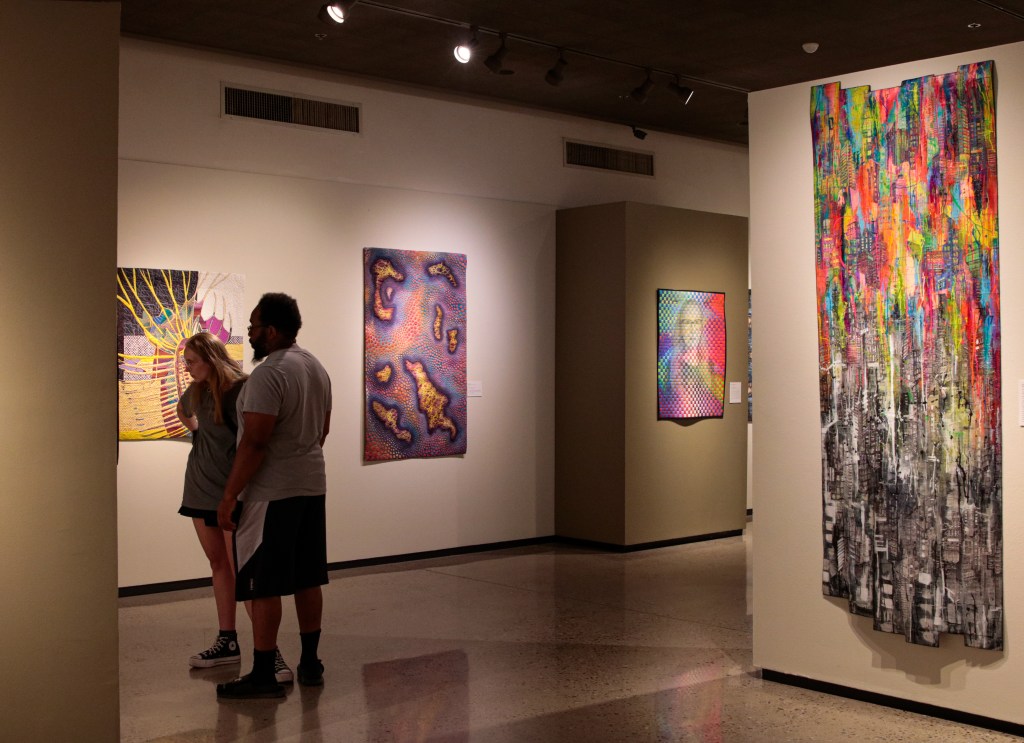
In our Baldwin Gallery, 5 exhibitions hosted roughly 150 artists that displayed 278 individual works, which primarily included our very own Art Institute students. In our Ironwood Gallery, 5 exhibitions hosted 101 artists, displaying 310 works with over 37,000 visitors!
These exhibitions showcased a diverse range of mediums, from traditional painting and photography to textiles, drawings, and sculpture, featuring both local and international artists from a variety of cultural backgrounds.
Outside the success of hosting 10 exhibitions, progress was made on digitizing the Art Institute’s permanent collections, which total over 1,000 works. Online galleries are now live for all five of our major collections: Vanishing Circles, Treasured Legacies, The Baldwin Collection, Art on the Grounds, and the Sheridan Oman Collection.
Visit the Art Institute’s website to take a look at these beautiful pieces!
Animal Behavior Studies Program
The Animal Behavior Studies Program at the Desert Museum is a dedicated initiative that bridges the gap between traditional species conservation—common in zoological and academic settings—and individual animal welfare, shifting the focus from broad population metrics, such as population management and species survival, to the specific behavioral needs of each animal.
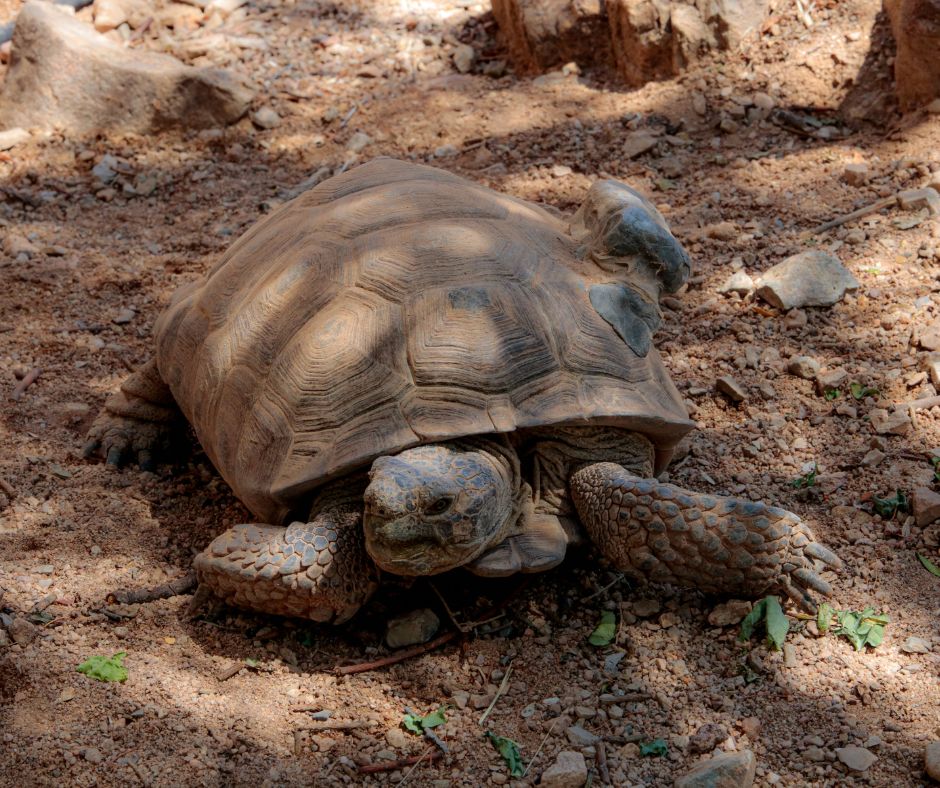
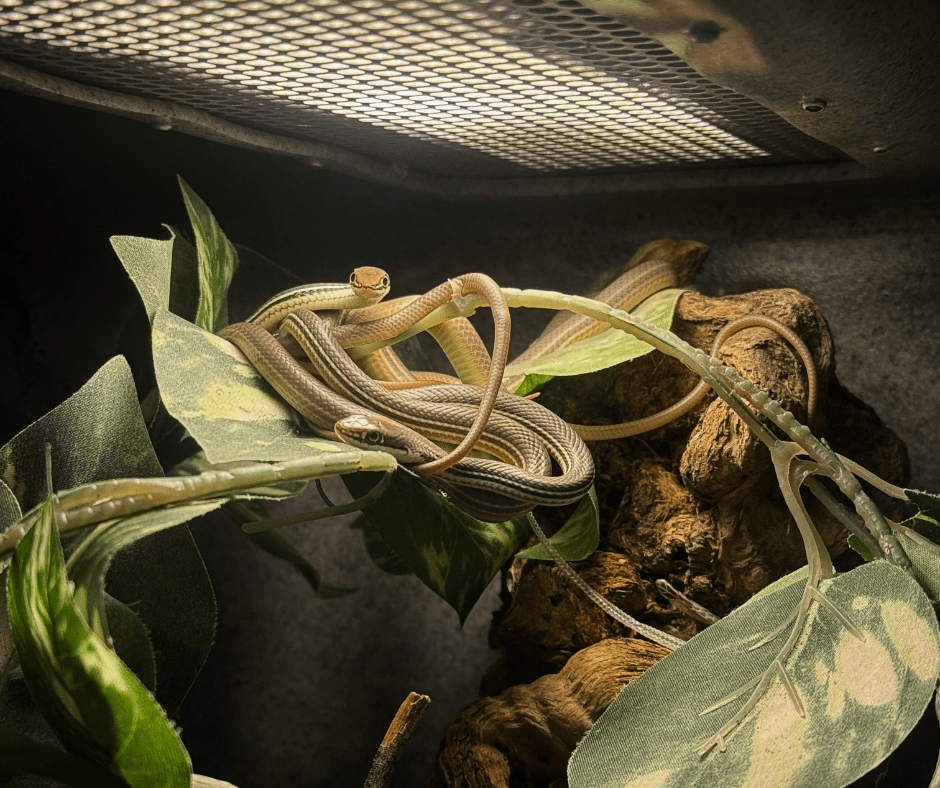
Through this program, the Museum seeks to replace anecdotal tradition with scientifically verified data, exemplified by the Herpetology Department’s two research projects investigating behavioral choices and spatial requirements for Sonoran whipsnakes and Desert Tortoises to better understand how they interact with their environments.
Building on its mission, the Desert Tortoise study is examining how larger, more complex habitats affect tortoises in human care. Four adult females were moved from a small, aging exhibit into the expansive javelina habitat, where they quickly adapted by using natural features for thermoregulation and burrowing while remaining mostly solitary. Interactions with javelina have been minimal, veterinary evaluations show the tortoises appear to be thriving, and the naturalistic setting has unexpectedly improved visitor visibility, with at least one tortoise remaining observable through winter.
A second study investigates social behavior in Sonoran whipsnakes, a species traditionally considered nonsocial. Using a controlled, multi-chamber setup, researchers have observed seasonal shifts in adult behavior, with initial avoidance giving way to prolonged contact as temperatures cooled, suggesting previously undocumented social flexibility. Observations of hatchlings revealed early social clustering, increasing independence with environmental complexity, and distinct individual behaviors, offering new insights to guide future husbandry and habitat design.
We’re excited to continue observing these unique species and sharing our insights with you all.
Sheep Grazing on A Mountain
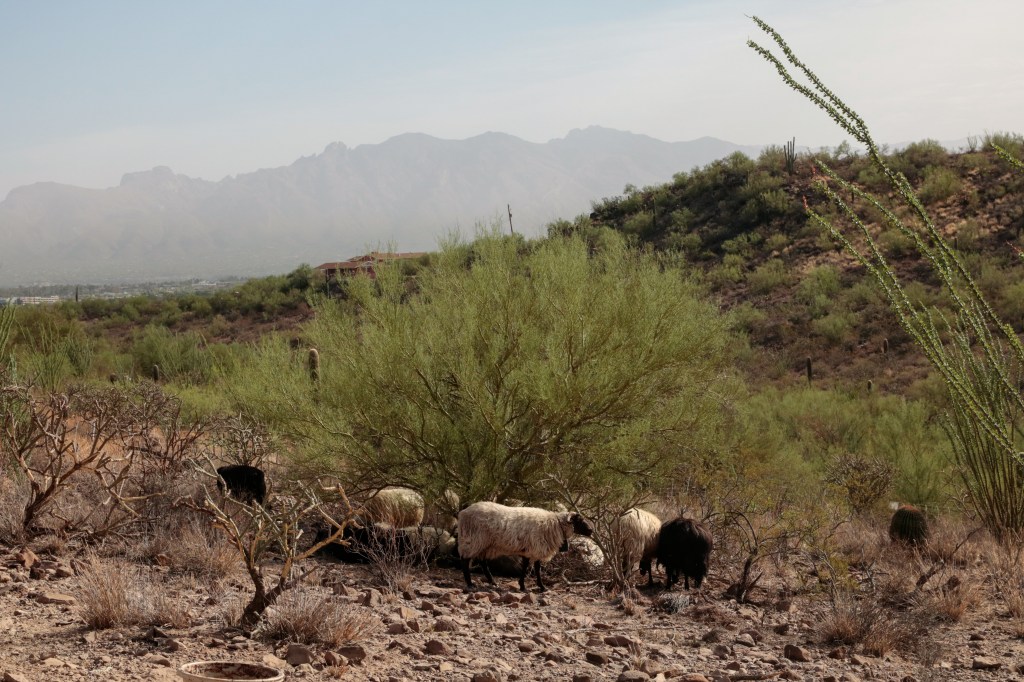
As part of a pilot grazing initiative to reduce buffelgrass, the Desert Museum deployed 15 Navajo-Churro sheep on A Mountain under an integrated treatment plan funded by the Arizona Department of Fire and Forestry Management, with support from the Arizona-Sonora Desert Museum, City of Tucson Parks and Recreation, and the University of Arizona Cooperative Extension.
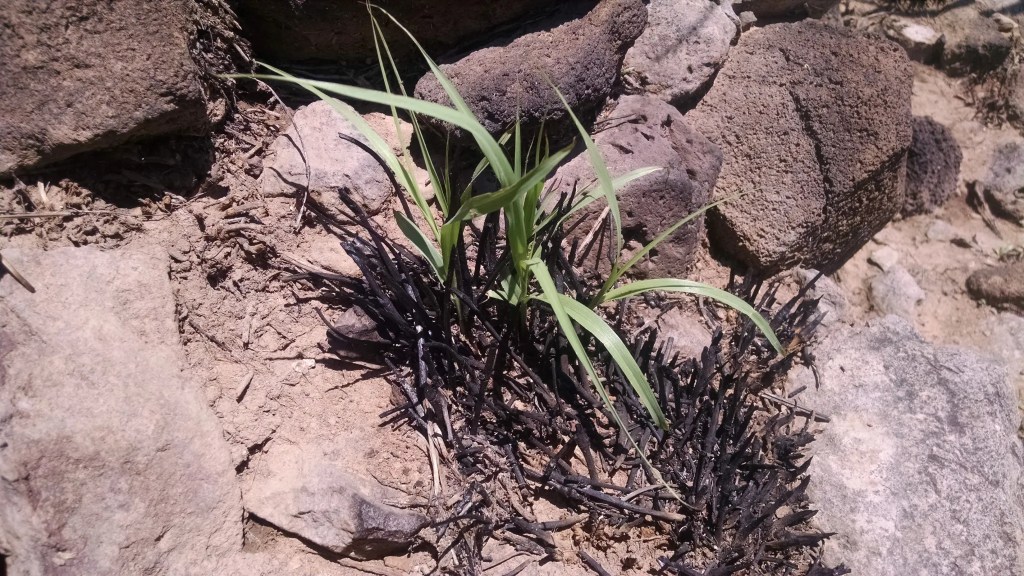
In mid-October, our fluffy friends finished their seven-month task of munching buffelgrass, and a few days later, 2.4 inches of rain fell, providing the perfect conditions to green up the areas they had eaten. This allowed us to begin phase two of the project, which is spraying what remained of the buffelgrass patches.
Because the remaining patches were greatly reduced in size, far less spray was needed than in other areas treated chemically, and six weeks later we observed that nearly every grazed plant that had been sprayed had died. Of course, on slopes that had been buried under buffelgrass for over a decade, thousands of seeds remain in the soil. Rain in late November, followed by additional rainfall between Christmas Eve and New Year’s Eve germinated the seed bank. As predicted, many 1–3-inch green seedlings are now present; however, these are relatively easy to pull and spray, which was a focus in the first week of January.
The beautiful thing is that other seedlings, those of native brittlebush, Verbena, globe mallow, creosote, sprangle top grass and Canterbury bells are for the first time in years having a chance at repopulating the slopes. We are psyched!
Come by A Mountain (Sentinel Peak Park) and take a walk around the hill to the south of the lower parking lot to see for yourself the transformation. In fact, come by on February 7th, and join us for the Save Our Saguaros Kick-off Day at this same location!
The Tohono Conservation Collaborative (TCC)
The Tohono Conservation Collaborative (TCC) brings together the Tohono O’odham Natural Resources Department, Tohono O’odham Community College, the Arizona Conservation Corps, and the Arizona-Sonora Desert Museum in a partnership dedicated to strengthening the Tohono O’odham Nation’s capacity for natural resource management. Through collaborative workforce development programs, the TCC works to reduce barriers that Native individuals face in accessing well-paid, meaningful careers in conservation. Through a combination of classroom work grounded in science and hands-on experiences in the field, TCC is helping Indigenous students and emerging professionals gain the knowledge, confidence, and credentials needed to step into Tribal and public-land management roles.
A major focus this year has been laying the groundwork for micro-certificate programs in natural resource management that can stack toward associate and bachelor’s degrees at Tohono O’odham Community College and eventually at other colleges and universities. These flexible credentials are designed to meet the needs of learners at every stage—whether they are just beginning their studies or advancing into technical roles in natural resources management. As these programs continue to grow, we look forward to a new era of Indigenous leadership in conservation.
DNA Barcode Reference Library for Native Bees
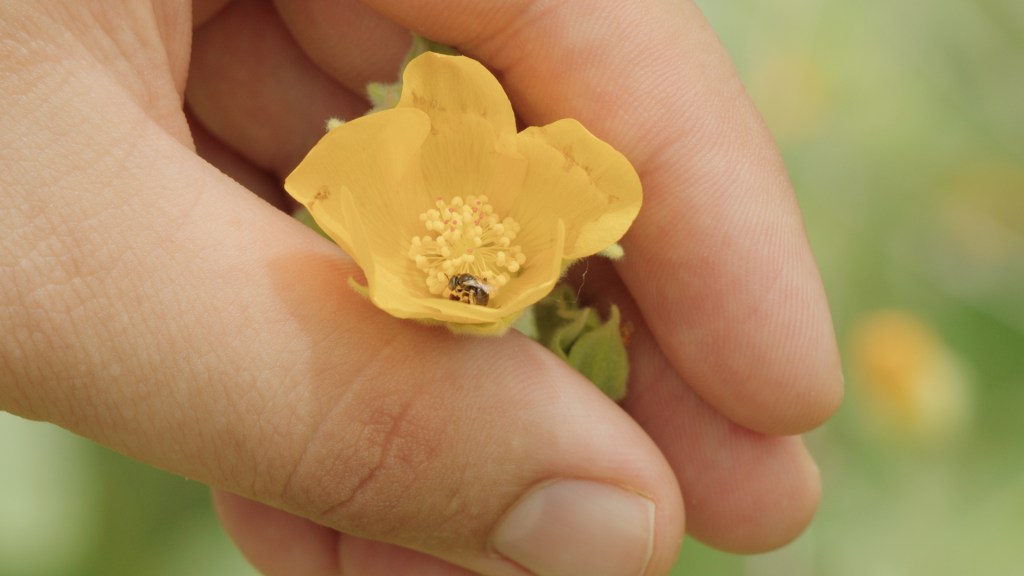
The Sonoran Desert is thought to be home to the most native bee species worldwide, however, this biodiversity is largely unrecorded. The dedicated volunteers of the Arizona-Sonora Desert Museum bee team have collected over 20,000 native bees and are working to identify them to species. Species identification using a microscope is notoriously challenging, so we are utilizing DNA techniques (often referred to as “barcoding”) to identify bees more quickly.
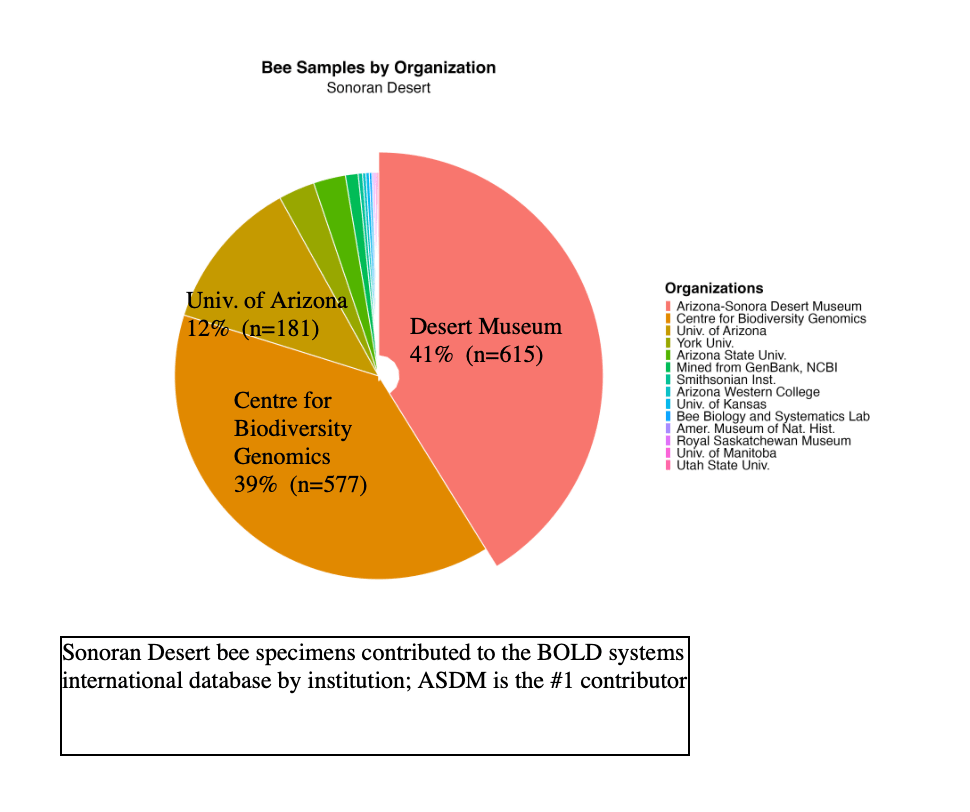
In collaboration with the University of Arizona, we contribute our bee barcodes to BOLD Systems, a DNA library that is used by scientists worldwide. To date, the Desert Museum is the number one contributor of Sonoran Desert bee data to this database.
Looking Ahead
As we head into 2026, we’re feeling energized and optimistic, building on what we’ve learned and staying rooted in our love for the Sonoran Desert. Thanks for being part of our community—we couldn’t do this without your support! Be sure to check back on our blog and stay connected on social media for updates throughout the year so you can follow along with our 2026 projects and events!
By Gracie Heim, Content Marketing Lead
 Desert Diaries