By Ya-Ching Lin, GIS Analyst
Love them or hate them, smartphones are an essential everyday item for most people these days. As technology advances, these devices have made GPS receivers, field guides and cameras optional, if not obsolete.
What we carry in our pocket today is not just convenient but a powerful tool that can also support conservation. The Arizona-Sonora Desert Museum invites you to help protect the biodiversity of the Sonoran Desert by taking part in our Weed Mapping Project to identify and map invasive plants that are not yet commonly found in Pima County.
To understand why this work matters, it is helpful to know a few key terms. A native species is one that originated and evolved in a specified geographic area, whereas a non-native species originated somewhere other than its current location and was introduced by humans to the area where it does not live (2). Over time, a species can become naturalized to a new area, just as others can become extinct.
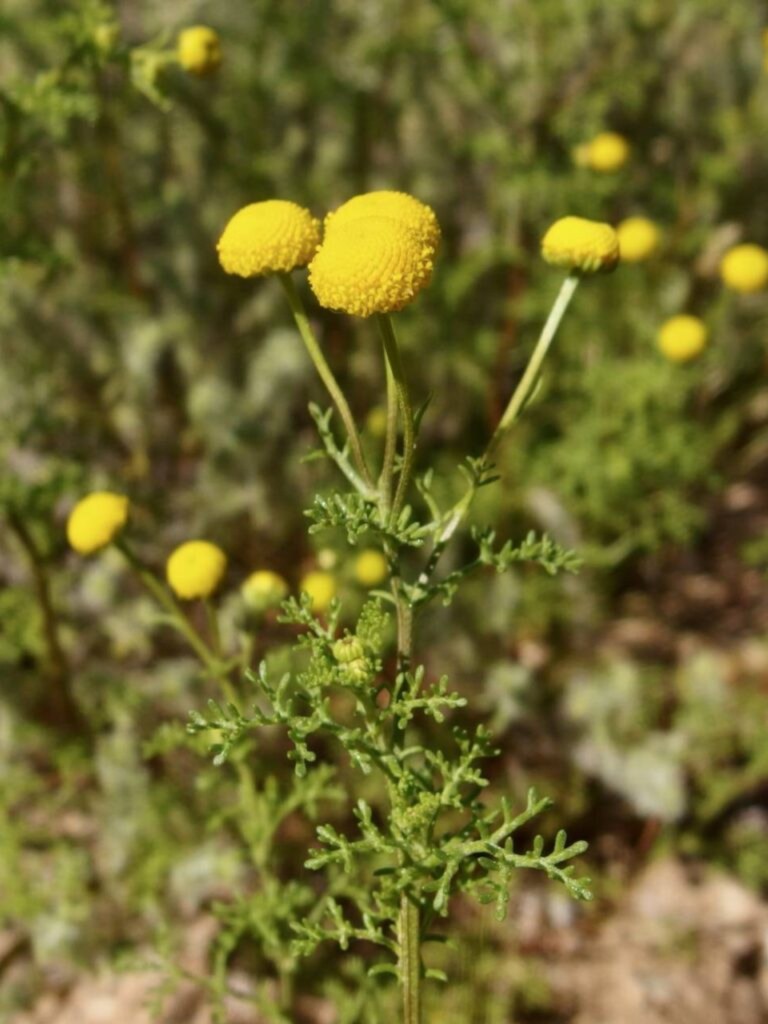
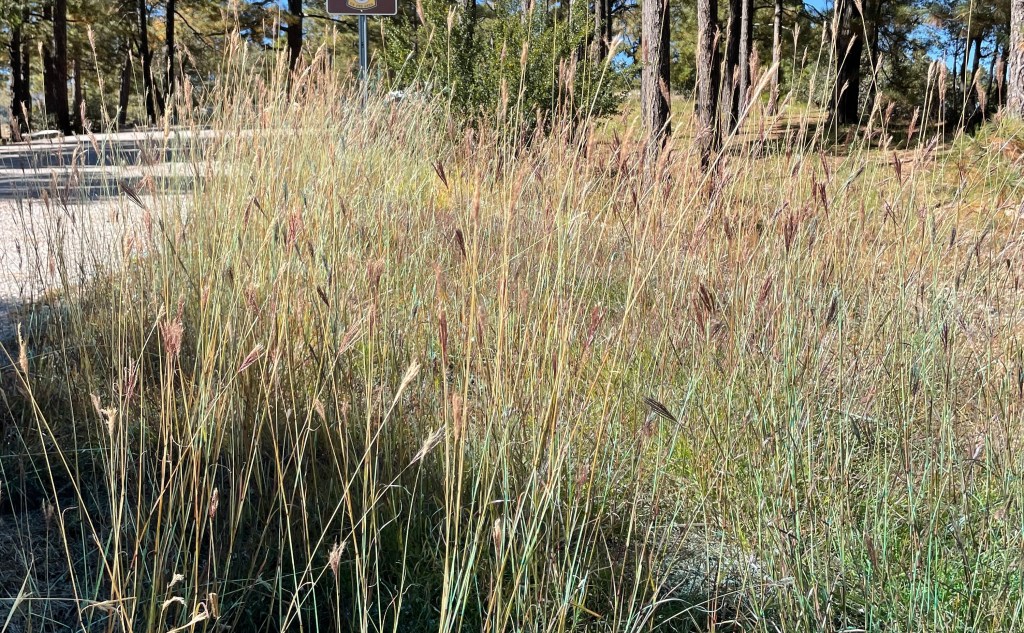
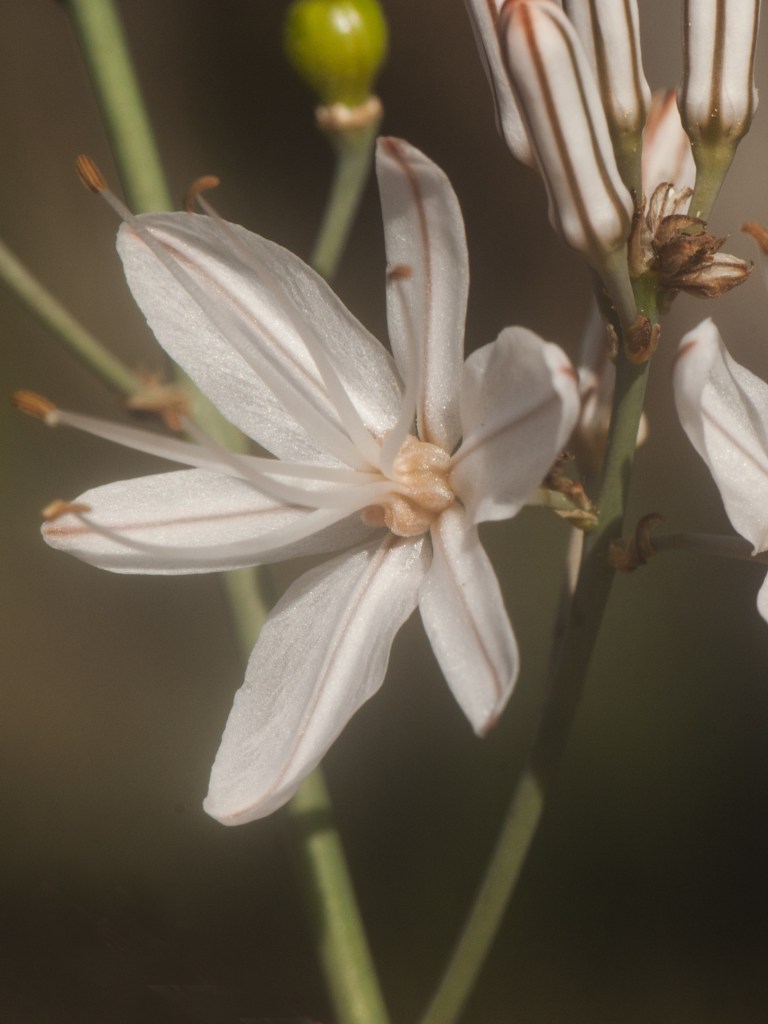
Most non-native species are not harmful to their new environments, including Mexican Bird of Paradise (Caesalpinia mexicana), lavender (Lavandula spp.), and even watermelon. In fact, watermelon was introduced to Arizona from the arid regions of Africa and has been successfully cultivated there for hundreds of years, but our concern lies with the minority of non-native plants that have become invasive in the Sonoran Desert.
In the absence of natural competitors and predators, some non-native species increase in abundance to such a degree that they outcompete our precious native plants, decreasing local biodiversity and damaging their introduced ecosystems. These invasive plant species also carry serious economic consequences, overtaking agricultural lands, fueling wildfires, and changing the very nature of our desert and waterways.
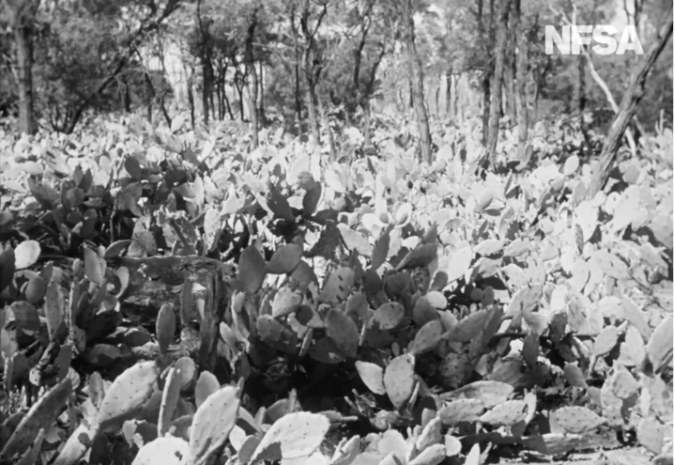
The price of a single introduced species can be enormous. Our beloved prickly pear was introduced to Australia in the mid-1800s. By the early 1900s it had spread to over 60 million acres, devastating Australian farmers whose fields were covered in massive, dense, prickly pear monocultures, a sight rarely seen here on their home turf.
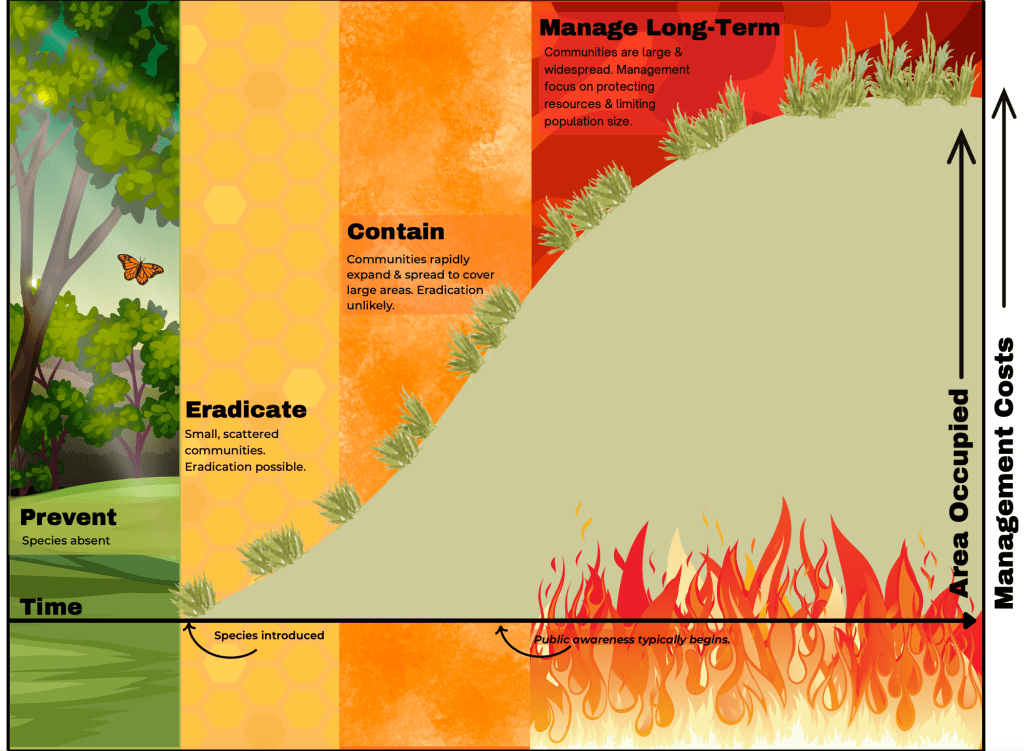
Unfortunately, by the time an introduced species is recognized as potentially invasive, it is usually too widespread to be easily eradicated. The figure below shows how the cost of managing invasive species grows with the time since introduction to the new environment, and how the possibility of eradicating the species becomes increasingly slim as time progresses.
Unlike neighboring states, Arizona has no official mechanism for detecting and monitoring new and growing populations of potentially invasive plant species, which greatly increases the chances that a new species will become established before we realize the threat it poses.
We believe that a network of volunteer mappers could significantly reduce these chances, by helping our land managers monitor the spread of species that are known or believed to be invasive. And the only tool required is one that is likely sitting by your side right now as your read this post.
Invasive species are a major driver of species extinctions. Alone or in combination with other factors, invasive species are responsible for 60% of species extinctions (1). By alerting land managers to the presence of invasive plants earlier, at a point when more cost-effective interventions are still possible, anyone who loves the desert can contribute to its protection.
Early detection of new invasive species could become a reality with the help of volunteer mappers willing to report their sightings and observations.
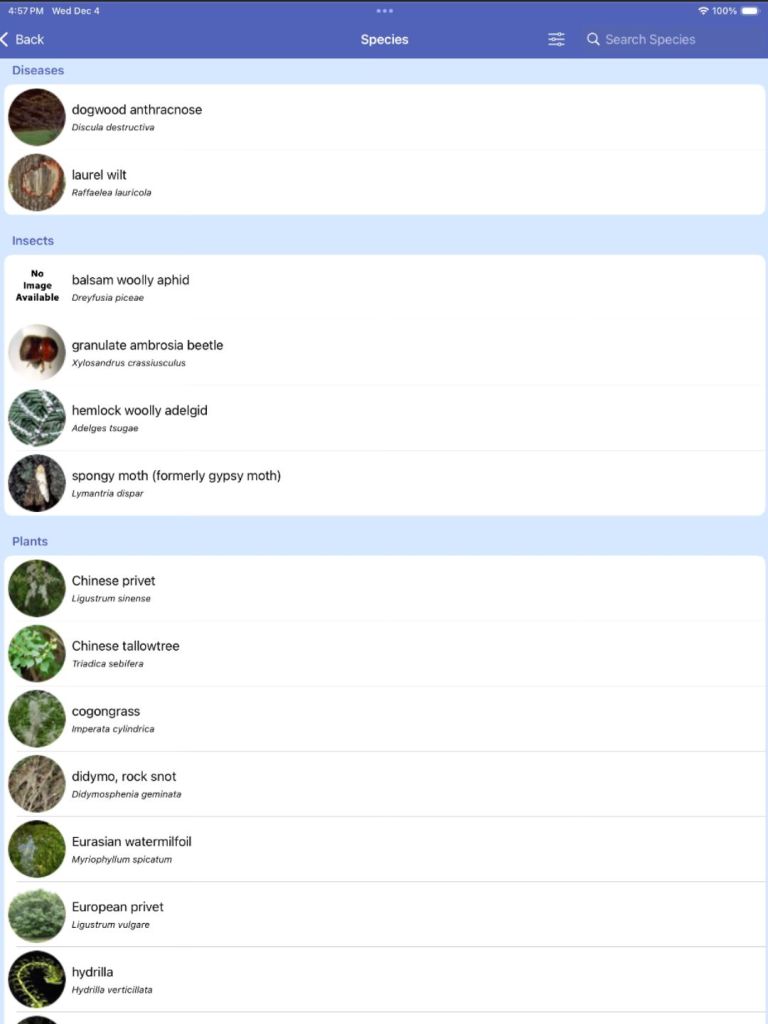
Download the Wild Spotter app and select the Arizona-Sonora Desert Museum Community Weed Mapping Project as your Wild Place and as you explore, report what you find to our project!
And, if you are passionate about native plants and want to be further involved by participating in the community removal of these plants, visit buffelgrass.org to attend an invasive species pull event.
1. Invasive Alien Species and their Control of the Intergovernmental Science-Policy Platform on Biodiversity and Ecosystem Services. Roy, H. E., Pauchard, A., Stoett, P., and Renard Truong, T. (eds.). IPBES secretariat, Bonn, Germany. MEMBERS OF THE MANAGEMENT
2. Iannone III, B. V., Bell, E. C., Carnevale, S., Hill, J. E., McConnell, J., Main, M., … & Andreu, M. (2021). Standardized invasive species terminology for effective education of Floridians: FOR730/FR439, 8/2021. EDIS, 2021(4), 8-8.
 Desert Diaries